If you’re searching for a lighter dessert that doesn’t compromise on flavor, this Cottage Cheese Cheesecake is exactly what you need. Made with wholesome ingredients and naturally rich textures, this healthier twist on classic cheesecake delivers a creamy, satisfying bite with fewer calories and more protein. Whether you’re trying to eat clean, reduce sugar, or simply experiment with a new dessert, this Cottage Cheese Cheesecake is a must-try recipe that feels indulgent without the guilt.
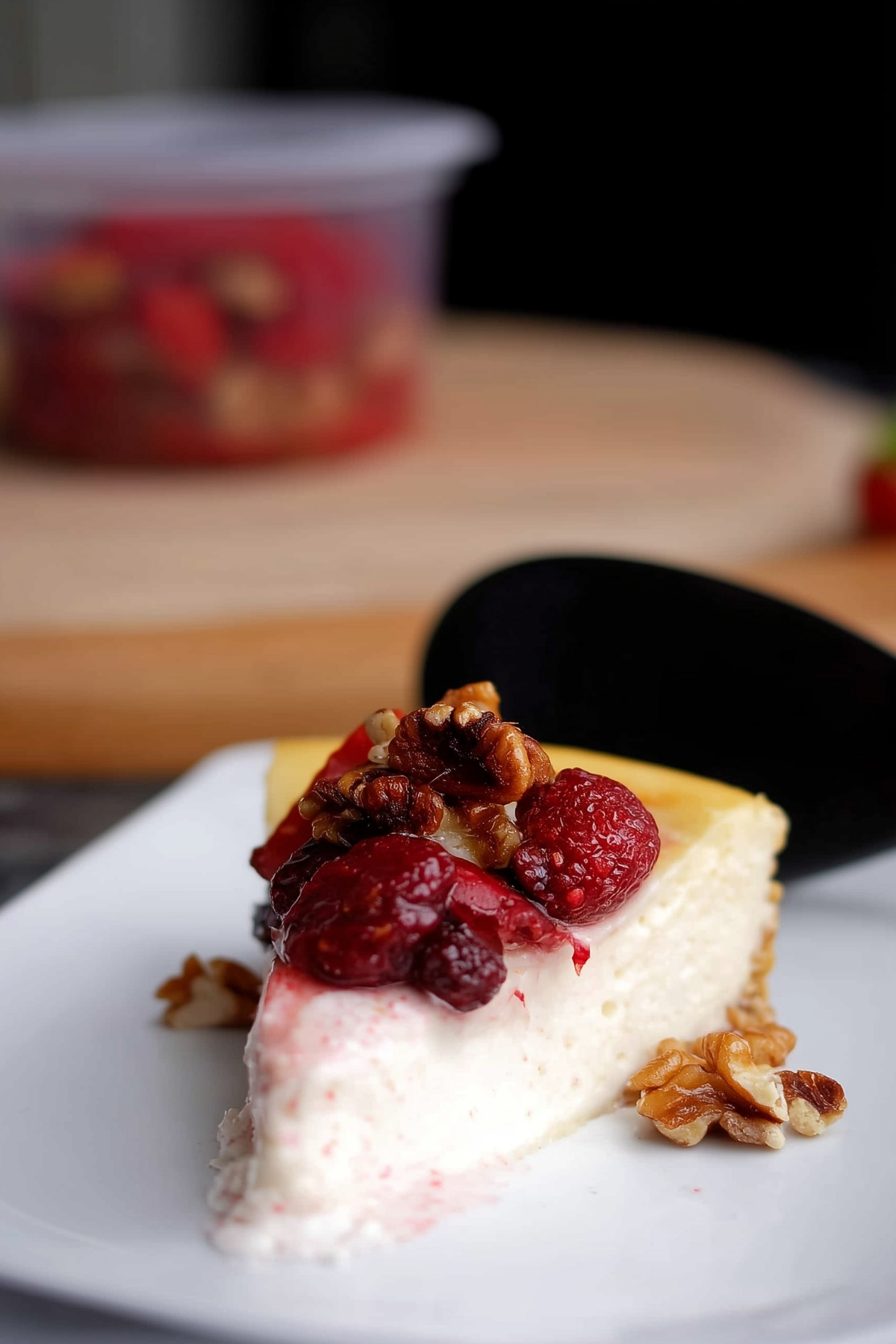
Table of Contents
Why This Cottage Cheese Cheesecake Stands Out
This Cottage Cheese Cheesecake offers the perfect balance between health and indulgence. Unlike traditional cheesecake recipes that rely heavily on cream cheese and sugar, this version uses cottage cheese as the star ingredient, making it higher in protein and lower in fat.
The texture is surprisingly smooth and creamy, especially when blended properly. It’s an ideal dessert for those who enjoy healthy baking without sacrificing taste. Plus, this cheesecake is versatile—you can easily adapt it to suit gluten-free, low-carb, or refined sugar-free diets.
Another major advantage of this Cottage Cheese Cheesecake is how easy it is to prepare. With minimal ingredients and straightforward steps, even beginner bakers can achieve great results.
Ingredients for a Perfect Cottage Cheese Cheesecake
• Cottage Cheese: The main ingredient that provides creaminess, protein, and a slightly tangy flavor
• Eggs: Help bind the cheesecake and create a firm yet silky texture
• Sweetener (such as sugar, honey, or maple syrup): Adds sweetness and balances the tanginess
• Greek Yogurt: Enhances creaminess and adds a slight tang
• Vanilla Extract: Provides warmth and depth of flavor
• Lemon Juice: Brightens the taste and balances richness
• Cornstarch or Flour: Helps stabilize the batter and improve texture
• Crust (graham crackers or oat-based): Adds crunch and structure to the base
• Butter or Coconut Oil: Binds the crust together and adds richness
Alternative Ingredient Suggestions
If you want to customize your Cottage Cheese Cheesecake, there are plenty of substitutions available.
For a dairy-free version, you can experiment with plant-based cottage cheese alternatives. If you’re reducing sugar, opt for natural sweeteners like stevia or monk fruit. Gluten-free bakers can swap traditional crust ingredients with almond flour or gluten-free cookies.
Greek yogurt can also be replaced with sour cream for a richer texture, while lemon juice can be substituted with orange zest for a different citrus profile. These variations allow you to tailor your Cottage Cheese Cheesecake to your dietary needs without losing its delicious appeal.
Step-by-Step Instructions for Cottage Cheese Cheesecake
- Preheat your oven to 325°F (160°C) and prepare a springform pan by lightly greasing it or lining it with parchment paper. This ensures your Cottage Cheese Cheesecake doesn’t stick and releases easily.
- Prepare the crust by crushing graham crackers or oats into fine crumbs. Mix them with melted butter or coconut oil until the texture resembles wet sand. Press the mixture firmly into the bottom of the pan and bake for about 8–10 minutes until lightly golden.
- In a blender or food processor, combine cottage cheese, Greek yogurt, eggs, sweetener, vanilla extract, and lemon juice. Blend until completely smooth. This step is crucial for achieving that classic creamy cheesecake texture.
- Add cornstarch or flour to the mixture and blend briefly again. This helps stabilize the Cottage Cheese Cheesecake and prevents cracking.
- Pour the batter over the pre-baked crust and smooth the top with a spatula. Tap the pan gently on the counter to release air bubbles.
- Bake the cheesecake for 45–55 minutes. The center should still have a slight jiggle when done. Avoid overbaking, as this can cause dryness.
- Turn off the oven and let the Cottage Cheese Cheesecake cool gradually inside with the door slightly open. This prevents cracks from forming.
- Once cooled to room temperature, refrigerate for at least 4 hours or overnight. Chilling allows the flavors to develop and the texture to set perfectly.
Tips & Tricks for the Best Cottage Cheese Cheesecake
To get the best results, always blend the cottage cheese thoroughly. A smooth batter is essential for a creamy Cottage Cheese Cheesecake.
Avoid overmixing after adding eggs, as this can incorporate too much air and lead to cracks. Baking in a water bath can also help maintain even moisture and prevent surface cracking.
If your cheesecake browns too quickly, loosely cover it with foil during baking. For a richer flavor, allow it to chill overnight—it makes a noticeable difference.
When slicing, use a warm knife for clean, professional-looking cuts. These small details elevate your Cottage Cheese Cheesecake from good to exceptional.
Pairing Ideas and Variations for Cottage Cheese Cheesecake
This Cottage Cheese Cheesecake pairs beautifully with a variety of toppings and sides. Fresh berries like strawberries, blueberries, or raspberries add natural sweetness and color.
For a more indulgent version, drizzle with chocolate sauce or caramel. You can also add a fruit compote or a layer of jam on top for extra flavor.
If you enjoy experimenting, try flavor variations like chocolate Cottage Cheese Cheesecake by adding cocoa powder, or a lemon version with extra zest and juice.
For a crunchy contrast, sprinkle nuts or granola on top before serving. This adds texture and enhances the overall experience.
Store leftovers in the refrigerator for up to 4 days, or freeze slices for longer storage. This makes Cottage Cheese Cheesecake a great make-ahead dessert option.
Health Benefits of Cottage Cheese Cheesecake
One of the biggest advantages of Cottage Cheese Cheesecake is its nutritional profile. Cottage cheese is high in protein, which helps keep you full longer and supports muscle health.
Compared to traditional cheesecake, this version typically contains fewer calories and less saturated fat. The addition of Greek yogurt boosts probiotics and calcium content, contributing to better digestion and bone health.
Using natural sweeteners or reducing sugar content makes this dessert even more suitable for those managing their sugar intake.
This Cottage Cheese Cheesecake is not just a dessert—it’s a smarter way to enjoy something sweet while maintaining a balanced diet.
Conclusion: Why You’ll Love This Cottage Cheese Cheesecake
This Cottage Cheese Cheesecake proves that healthy desserts can still be rich, creamy, and incredibly satisfying. With its high-protein base, balanced sweetness, and smooth texture, it’s a perfect alternative to traditional cheesecake without feeling like a compromise.
Whether you’re making it for a special occasion or a simple weeknight treat, this Cottage Cheese Cheesecake fits seamlessly into a balanced lifestyle. Its versatility allows you to customize flavors, adjust sweetness, and experiment with different toppings, making it a recipe you’ll come back to again and again.
By choosing this Cottage Cheese Cheesecake, you’re not only indulging in a delicious dessert but also making a smarter, more nutritious choice that supports your health goals.
FAQs About Cottage Cheese Cheesecake
What does Cottage Cheese Cheesecake taste like?
Cottage Cheese Cheesecake has a creamy, slightly tangy flavor similar to traditional cheesecake but lighter. When blended היט היט, the cottage cheese becomes smooth, so you won’t notice any curds. The result is a rich yet fresh-tasting dessert that feels less heavy.
Can I make Cottage Cheese Cheesecake without a crust?
Yes, you can easily make a crustless Cottage Cheese Cheesecake. Simply pour the batter directly into a lined or greased pan and bake as instructed. This option reduces calories and carbs while still delivering the same creamy texture.
How do I store Cottage Cheese Cheesecake properly?
Store your Cottage Cheese Cheesecake in an airtight container in the refrigerator for up to 4 days. For longer storage, you can freeze individual slices for up to 2 months. Thaw overnight in the fridge before serving for the best texture.
More Relevant Recipes
Print
Cottage Cheese Cheesecake
- Prep Time: 15 minutes
- Cook Time: 50 minutes
- Total Time: 5 hours 5 minutes
- Yield: 8 servings 1x
- Category: Dessert
- Method: Baking
- Cuisine: American
Description
This Cottage Cheese Cheesecake is a creamy, protein-rich and healthier alternative to traditional cheesecake. Made with blended cottage cheese, Greek yogurt, and natural sweeteners, it delivers a smooth texture and delicious flavor while being lower in fat and calories.
Ingredients
- 2 cups (450g) cottage cheese
- 1 cup (240g) Greek yogurt
- 3 large eggs
- 1/2 cup (100g) granulated sugar or 1/3 cup (80ml) maple syrup
- 1 teaspoon vanilla extract
- 2 tablespoons (30ml) lemon juice
- 2 tablespoons (16g) cornstarch or all-purpose flour
- 1 1/2 cups (150g) graham cracker crumbs
- 5 tablespoons (70g) melted butter or coconut oil
Instructions
- Preheat oven to 325°F (160°C) and grease or line a 9-inch springform pan.
- In a bowl, mix graham cracker crumbs with melted butter until combined. Press firmly into the bottom of the pan to form the crust.
- Bake the crust for 8–10 minutes until lightly golden, then set aside to cool.
- In a blender or food processor, combine cottage cheese, Greek yogurt, eggs, sugar or maple syrup, vanilla extract, and lemon juice. Blend until completely smooth.
- Add cornstarch or flour and blend briefly to incorporate.
- Pour the batter over the prepared crust and smooth the top.
- Tap the pan gently on the counter to remove air bubbles.
- Bake for 45–55 minutes until the edges are set and the center slightly jiggles.
- Turn off the oven and let the cheesecake cool inside with the door slightly open.
- Remove from oven, cool to room temperature, then refrigerate for at least 4 hours or overnight before serving.
Notes
- Blend cottage cheese thoroughly to achieve a smooth texture.
- Avoid overmixing after adding eggs to prevent cracks.
- Use a water bath for an extra creamy and crack-free cheesecake.
- Let the cheesecake chill overnight for best flavor and texture.
- Store in the refrigerator for up to 4 days or freeze for up to 2 months.
Nutrition
- Serving Size: 1 slice
- Calories: 210 kcal
- Sugar: 12 g
- Sodium: 320 mg
- Fat: 9 g
- Saturated Fat: 5 g
- Unsaturated Fat: 3 g
- Trans Fat: 0 g
- Carbohydrates: 18 g
- Fiber: 1 g
- Protein: 14 g
- Cholesterol: 85 mg