Marshmallow Easter Eggs are a classic homemade candy that brings sweetness and nostalgia to any Easter celebration. These fluffy, chocolate-covered treats combine soft marshmallow centers with a smooth candy coating, creating the perfect balance of texture and flavor. Whether you’re making them for Easter baskets, holiday desserts, or as a fun family project, Marshmallow Easter Eggs are a delightful confection that looks just as impressive as it tastes.
What makes Marshmallow Easter Eggs so special is their homemade marshmallow filling. Unlike store-bought versions, these candies have a fresh, airy texture and a rich vanilla flavor that melts in your mouth. The soft center pairs beautifully with a crisp chocolate shell, making them irresistible for marshmallow lovers. With a few basic ingredients and a little patience, you can create a batch of Marshmallow Easter Eggs that are perfect for sharing during the spring season.
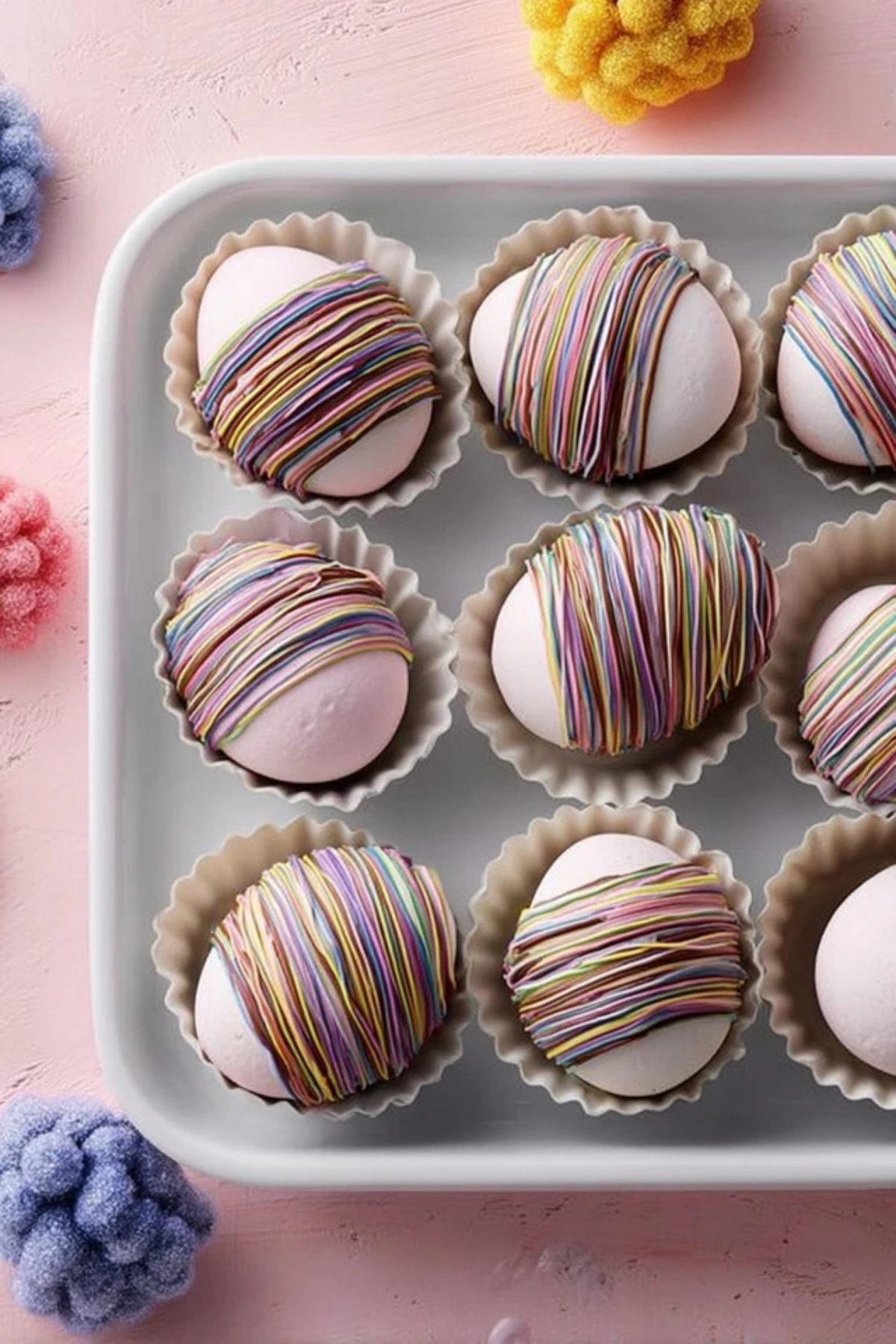
Table of Contents
Why Homemade Marshmallow Easter Eggs Are So Popular
Marshmallow Easter Eggs have become a beloved holiday treat because they combine traditional candy-making with festive creativity. Their fluffy interior and glossy chocolate coating make them stand out among typical Easter sweets.
One reason people love Marshmallow Easter Eggs is their texture. The homemade marshmallow filling is light and airy, offering a soft bite that contrasts perfectly with the chocolate shell. This combination creates a satisfying candy experience that feels both luxurious and nostalgic.
Another reason Marshmallow Easter Eggs are so popular is their versatility. They can be decorated with colorful candy melts, sprinkles, or drizzled chocolate to create beautiful Easter-themed treats. Families often make Marshmallow Easter Eggs together as a seasonal tradition, shaping and decorating them for baskets, parties, or dessert tables.
Homemade Marshmallow Easter Eggs also allow you to control the ingredients and flavor. You can adjust the sweetness, experiment with chocolate coatings, or add flavored extracts to the marshmallow filling. This flexibility makes them a favorite among home bakers and candy enthusiasts.
Ingredients
• All-purpose flour: Used to create molds that shape the marshmallow mixture into egg forms.
• Egg: Pressed into the flour to create egg-shaped impressions for forming the candies.
• Unflavored gelatin: Gives the marshmallow filling its classic fluffy and slightly chewy texture.
• Cold water: Helps hydrate and bloom the gelatin before it is incorporated into the candy mixture.
• Sugar: The primary sweetener that forms the base of the marshmallow candy syrup.
• Light corn syrup: Prevents crystallization and helps create a smooth, glossy marshmallow texture.
• Hot water: Dissolves the sugar and assists in forming the candy syrup.
• Vanilla extract: Adds warm flavor and enhances the sweetness of the marshmallow filling.
• Dark chocolate candy coating: Creates the delicious outer shell for the Marshmallow Easter Eggs.
• Colored candy coating disks: Used to drizzle decorative designs on top of the finished eggs.
These ingredients come together to form soft marshmallow centers surrounded by a rich chocolate coating, making Marshmallow Easter Eggs both festive and delicious.
Alternative Ingredient Suggestions
If you want to customize your Marshmallow Easter Eggs or accommodate dietary preferences, there are several ingredient swaps you can try.
Instead of dark chocolate candy coating, you can use milk chocolate or white chocolate for a sweeter flavor. White chocolate works especially well when decorating Marshmallow Easter Eggs with pastel colors.
For a flavor variation, almond extract or coconut extract can replace vanilla. These subtle changes can give the marshmallow filling a unique twist while keeping the classic texture intact.
If you prefer a different coating style, you can roll the chocolate-covered Marshmallow Easter Eggs in crushed nuts, toasted coconut, or colorful sprinkles before the chocolate sets. This adds both texture and visual appeal.
Some candy makers also use silicone egg molds instead of flour molds. This alternative can simplify shaping and make the process cleaner when preparing homemade Marshmallow Easter Eggs.
Step-by-Step Instructions
- Begin by preparing the molds for the Marshmallow Easter Eggs. Spread flour evenly into several baking pans to create a thick layer. Smooth the surface so it is flat and compact.
- Wash and dry a clean egg thoroughly. Press the egg halfway into the flour to create egg-shaped impressions. Continue pressing the egg into the flour until you have multiple molds spaced slightly apart. These impressions will hold the marshmallow mixture as it sets.
- In a small bowl, sprinkle unflavored gelatin over cold water. Allow it to sit briefly so the gelatin can soften and absorb the liquid. This step ensures the marshmallow filling will develop the correct fluffy structure.
- In a saucepan, combine sugar, part of the corn syrup, and hot water. Cook the mixture over medium heat, stirring constantly to dissolve the sugar. Continue heating until the syrup reaches the soft-ball stage, which is a common candy-making temperature that creates the perfect marshmallow consistency.
- Remove the syrup from the heat and stir in the remaining corn syrup. Pour the hot mixture into a large mixing bowl.
- Add the softened gelatin to the hot syrup one spoonful at a time while beating with an electric mixer on high speed. Continue beating until the mixture becomes thick, fluffy, and slightly cooled. This process transforms the syrup into a soft marshmallow base.
- Mix in the vanilla extract to enhance the flavor of the marshmallow filling used for the Marshmallow Easter Eggs.
- Spoon the warm marshmallow mixture into each flour impression. Fill each mold generously so the candies take on a full egg shape as they set.
- Lightly dust the tops with flour and allow the marshmallow eggs to rest at room temperature for several hours. During this time, the filling will firm up and hold its shape.
- Once the marshmallow centers have set, gently remove them from the flour molds. Brush off any excess flour from the surface of each egg.
- Melt the chocolate candy coating until smooth and fully liquid. Dip each marshmallow egg into the melted chocolate, making sure it is evenly coated.
- Place the chocolate-covered Marshmallow Easter Eggs on waxed paper with the flat side facing down. Allow the chocolate shell to harden completely.
- Melt colored candy coatings and drizzle them over the eggs to create festive patterns. This decorative step gives Marshmallow Easter Eggs their signature Easter appearance.
Tips for Perfect Marshmallow Easter Eggs
Making Marshmallow Easter Eggs at home is easier when you follow a few helpful candy-making tips.
Always test your candy thermometer before starting. Candy recipes rely on precise temperatures, and even a small difference can affect the texture of the marshmallow filling.
When beating the marshmallow mixture, patience is important. The mixture should become thick, glossy, and fluffy before you stop mixing. Proper whipping creates the airy interior that makes Marshmallow Easter Eggs so enjoyable.
Be gentle when removing the eggs from the flour molds. Brushing away excess flour carefully helps maintain the smooth surface needed for dipping in chocolate.
When coating Marshmallow Easter Eggs with chocolate, make sure the chocolate is smooth and fully melted. A thin, even coating produces the best results and prevents clumping.
For decoration, drizzle contrasting candy colors in thin lines across the eggs. This simple step transforms homemade Marshmallow Easter Eggs into beautiful Easter candies.
Store finished Marshmallow Easter Eggs in an airtight container at room temperature. They will stay fresh for several days, making them ideal for preparing ahead of Easter gatherings.
Serving Ideas and Creative Variations
Marshmallow Easter Eggs are incredibly versatile and can be served in many festive ways. They make wonderful additions to Easter baskets, dessert trays, and spring-themed celebrations.
Arrange Marshmallow Easter Eggs in decorative boxes or clear bags tied with pastel ribbons. This presentation turns them into charming homemade gifts for friends and family.
For a dessert platter, place Marshmallow Easter Eggs alongside chocolate truffles, cookies, and pastel candies. Their egg shape and glossy coating make them a standout treat on any Easter table.
You can also experiment with flavored chocolate coatings. Dark chocolate adds richness, while milk chocolate creates a sweeter candy. White chocolate offers a smooth, creamy alternative that pairs beautifully with colorful decorations.
Another fun variation is adding flavored extracts to the marshmallow mixture. Peppermint, orange, or almond extract can give Marshmallow Easter Eggs a unique twist while keeping their classic fluffy texture.
For extra crunch, sprinkle chopped nuts or cookie crumbs over the chocolate before it sets. This adds texture and transforms traditional Marshmallow Easter Eggs into gourmet-style candies.
The Tradition Behind Marshmallow Easter Eggs
Marshmallow Easter Eggs have long been associated with spring celebrations and holiday candy traditions. Their egg shape symbolizes new beginnings, making them a natural fit for Easter festivities.
Homemade versions of Marshmallow Easter Eggs are especially meaningful because they often become part of family traditions. Many families gather in the kitchen to shape the eggs, dip them in chocolate, and decorate them together.
These candies also represent the art of classic confectionery. The process of whipping marshmallow filling, shaping it into eggs, and coating it with chocolate reflects traditional candy-making techniques that have been passed down for generations.
Because Marshmallow Easter Eggs combine creativity, flavor, and tradition, they remain a timeless Easter treat. Their fluffy centers, chocolate shells, and festive decorations make them one of the most memorable sweets of the season.
Whether you prepare them as gifts, holiday desserts, or family activities, Marshmallow Easter Eggs are a delicious way to celebrate Easter with homemade charm.
Conclusion
Marshmallow Easter Eggs are a timeless homemade candy that perfectly captures the sweetness and creativity of the Easter season. With their soft, fluffy marshmallow centers and smooth chocolate coating, these festive treats deliver a delightful combination of texture and flavor that appeals to both kids and adults. Making Marshmallow Easter Eggs at home also brings an extra layer of enjoyment, allowing you to customize decorations, experiment with flavors, and create memorable holiday traditions.
The process of preparing Marshmallow Easter Eggs may feel a little old-fashioned, but that’s exactly what makes this recipe so special. From whipping the marshmallow filling to shaping the eggs and dipping them in rich chocolate, every step adds to the charm of homemade Easter candy. Once finished, the colorful drizzle and glossy coating make these sweets look just as beautiful as they taste.
Whether you’re filling Easter baskets, preparing dessert trays, or sharing homemade gifts with loved ones, Marshmallow Easter Eggs are a wonderful addition to any spring celebration. Their classic flavor, festive appearance, and soft marshmallow texture ensure that this recipe will remain a favorite for many Easter holidays to come.
Frequently Asked Questions About Marshmallow Easter Eggs
How long do Marshmallow Easter Eggs last?
Homemade Marshmallow Easter Eggs typically stay fresh for about 4 to 5 days when stored properly. Keep them in an airtight container at room temperature in a cool, dry place. If your kitchen is warm, you can refrigerate the Marshmallow Easter Eggs, but allow them to sit at room temperature for a few minutes before serving so the marshmallow center becomes soft again.
Can I make Marshmallow Easter Eggs without using flour molds?
Yes, you can make Marshmallow Easter Eggs without flour molds. Many home candy makers now prefer using silicone egg molds, which create clean shapes and eliminate the need for flour. Silicone molds are reusable and make it easier to form evenly shaped Marshmallow Easter Eggs while reducing mess during the preparation process.
What type of chocolate works best for Marshmallow Easter Eggs?
Chocolate candy coating or melting wafers are usually the best options for covering Marshmallow Easter Eggs. These coatings melt smoothly and harden quickly, creating a shiny shell. However, you can also use milk chocolate, dark chocolate, or white chocolate if you prefer a richer flavor or a sweeter finish for your Marshmallow Easter Eggs.
More Relevant Recipes
- Easy Cottage Cheese Peanut Butter Mousse Recipe
- Easter Rice Krispie Treats: Easy No-Bake Holiday Dessert
- Easy Limoncello Bars Recipe
Marshmallow Easter Eggs
- Prep Time: 45 minutes
- Cook Time: 15 minutes
- Total Time: 4 hours
- Yield: About 35 marshmallow Easter eggs 1x
- Category: Dessert
- Method: Candy Making
- Cuisine: American
- Diet: Vegetarian
Description
Marshmallow Easter Eggs are fluffy homemade candies with a soft vanilla marshmallow center coated in smooth chocolate and decorated with colorful candy drizzle. These festive treats are perfect for Easter baskets, dessert platters, or homemade holiday gifts.
Ingredients
- 25 cups all-purpose flour (for molding the egg shapes)
- 1 large egg (used to press egg-shaped impressions into the flour)
- 2 tablespoons unflavored gelatin
- 1/2 cup cold water
- 2 cups granulated sugar
- 1 cup light corn syrup, divided
- 3/4 cup hot water
- 2 teaspoons vanilla extract
- 1 pound dark chocolate candy coating, melted
- Colored candy coating disks, melted for decoration
Instructions
- Spread 7 cups of flour into each of three 13×9-inch pans and 4 cups into a 9-inch square pan, smoothing the surface evenly.
- Wash and dry a whole egg thoroughly. Press the egg halfway into the flour to create egg-shaped impressions. Repeat to create about 35 molds spaced slightly apart.
- In a small bowl, sprinkle gelatin over the cold water and let it bloom for a few minutes.
- In a saucepan, combine sugar, 1/2 cup corn syrup, and hot water. Bring to a boil over medium heat, stirring constantly until the mixture reaches 238°F (soft-ball stage).
- Remove from heat and stir in the remaining 1/2 cup corn syrup.
- Pour the hot syrup mixture into a large mixing bowl.
- Add the softened gelatin gradually while beating on high speed until the mixture becomes thick and fluffy, about 10 minutes.
- Mix in the vanilla extract until fully incorporated.
- Spoon the warm marshmallow mixture into the prepared flour egg molds and lightly dust the tops with flour.
- Allow the marshmallow eggs to set at room temperature for 3–4 hours until firm.
- Carefully remove the marshmallow eggs from the flour and gently brush off any excess flour.
- Dip each egg into the melted dark chocolate candy coating, covering it completely.
- Place the coated eggs flat side down on waxed paper and allow the chocolate to set.
- Drizzle melted colored candy coating over the eggs for decoration and let them harden completely before serving.
Notes
- Use a candy thermometer to ensure the syrup reaches the correct soft-ball stage for proper marshmallow texture.
- Silicone egg molds can be used instead of flour molds for easier shaping.
- Let the marshmallow mixture cool slightly before filling molds to help it hold its shape.
- Store finished Marshmallow Easter Eggs in an airtight container at room temperature for up to 5 days.
- Decorate with sprinkles, nuts, or toasted coconut for additional texture and flavor.
Nutrition
- Serving Size: 1 egg
- Calories: 180 kcal
- Sugar: 26 g
- Sodium: 25 mg
- Fat: 6 g
- Saturated Fat: 4 g
- Unsaturated Fat: 1.5 g
- Trans Fat: 0 g
- Carbohydrates: 31 g
- Fiber: 1 g
- Protein: 2 g
- Cholesterol: 2 mg