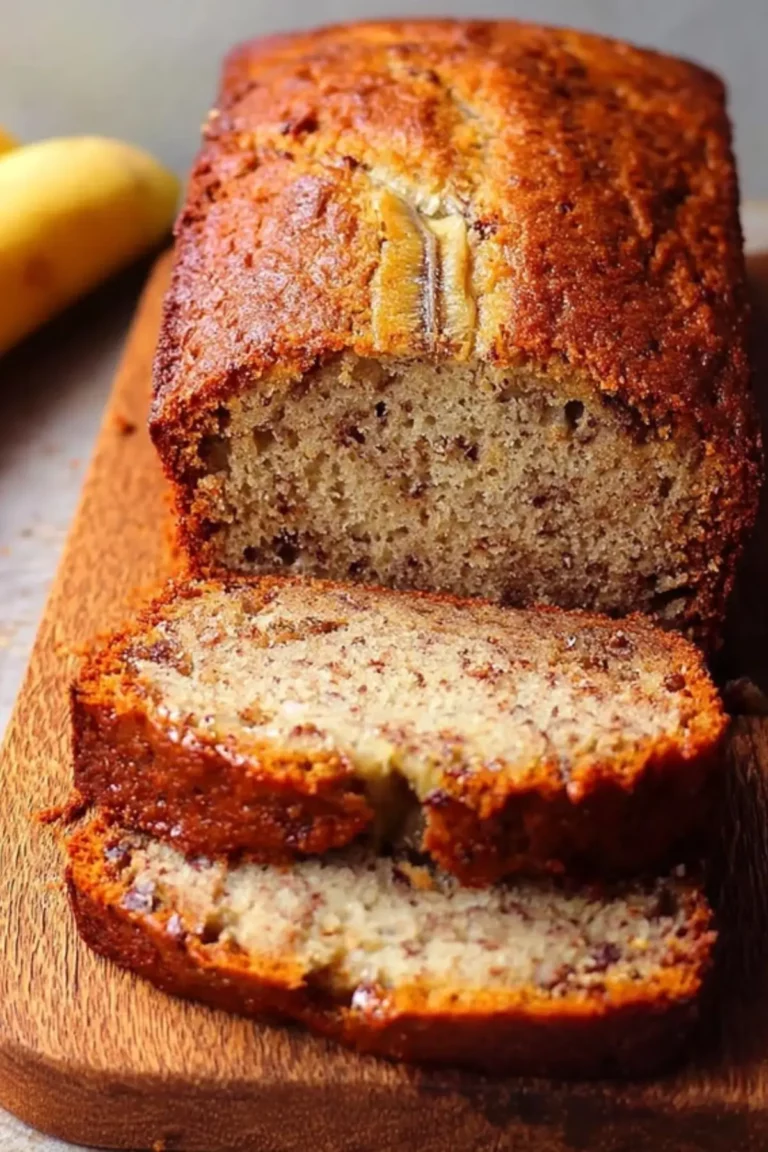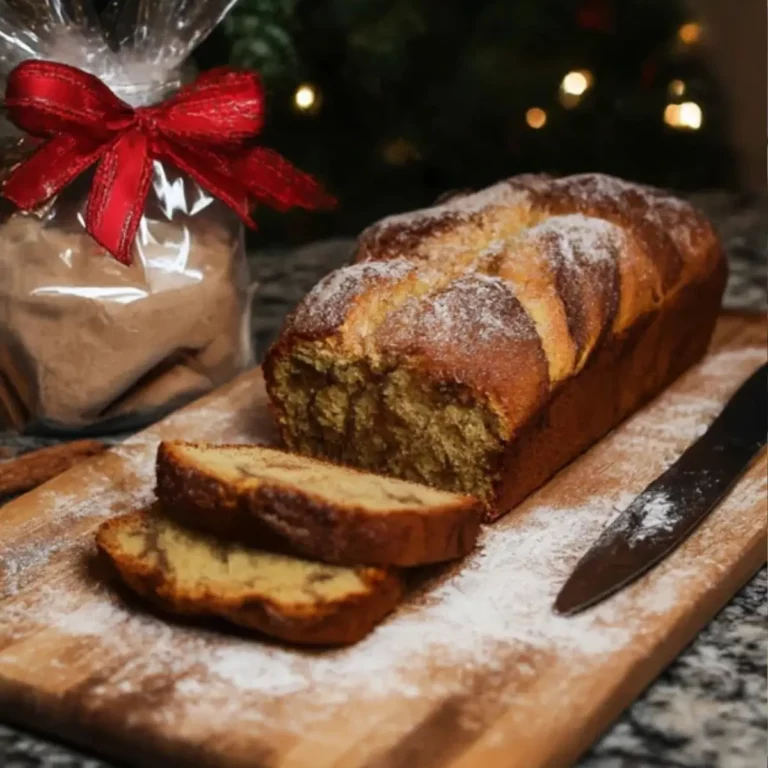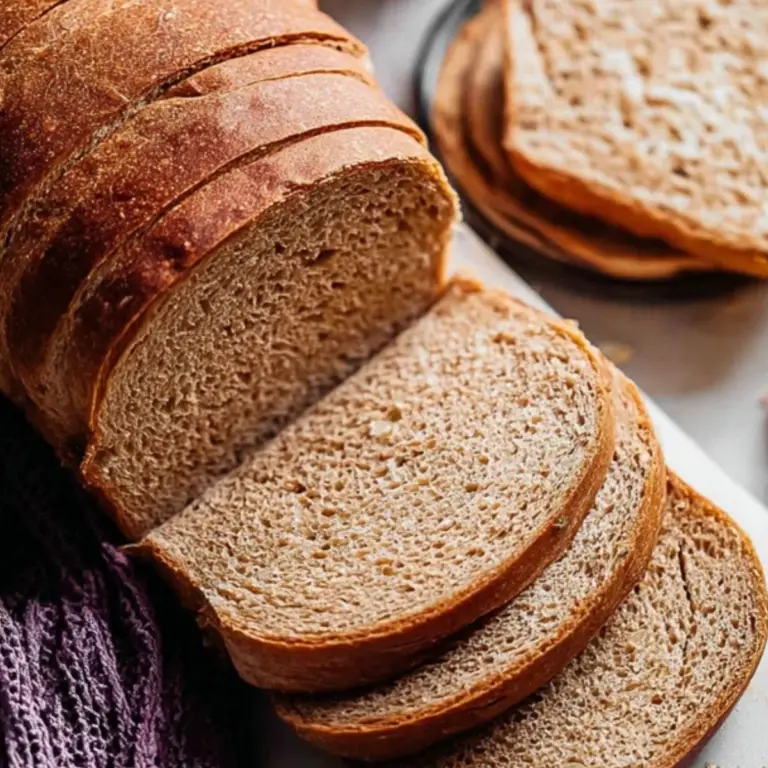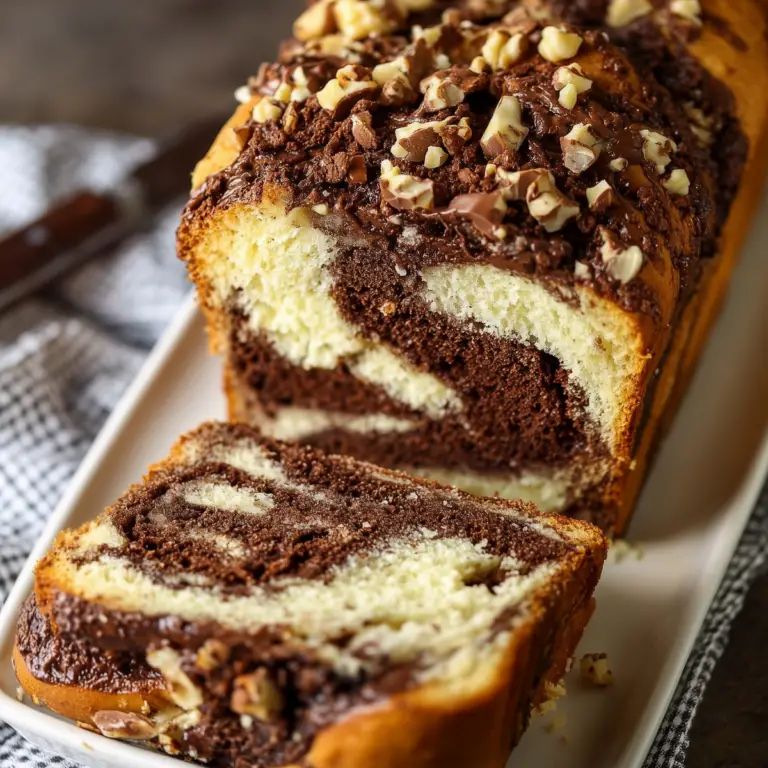
Soft Crust Sourdough Bread is a delightful, healthier alternative to store-bought loaves. This homemade sourdough bread combines rich flavors, a tender texture, and numerous health benefits, making it perfect for everything from sandwiches to a simple slice with butter. Whether you’re a seasoned baker or a beginner, this recipe offers a straightforward method to create the perfect loaf.
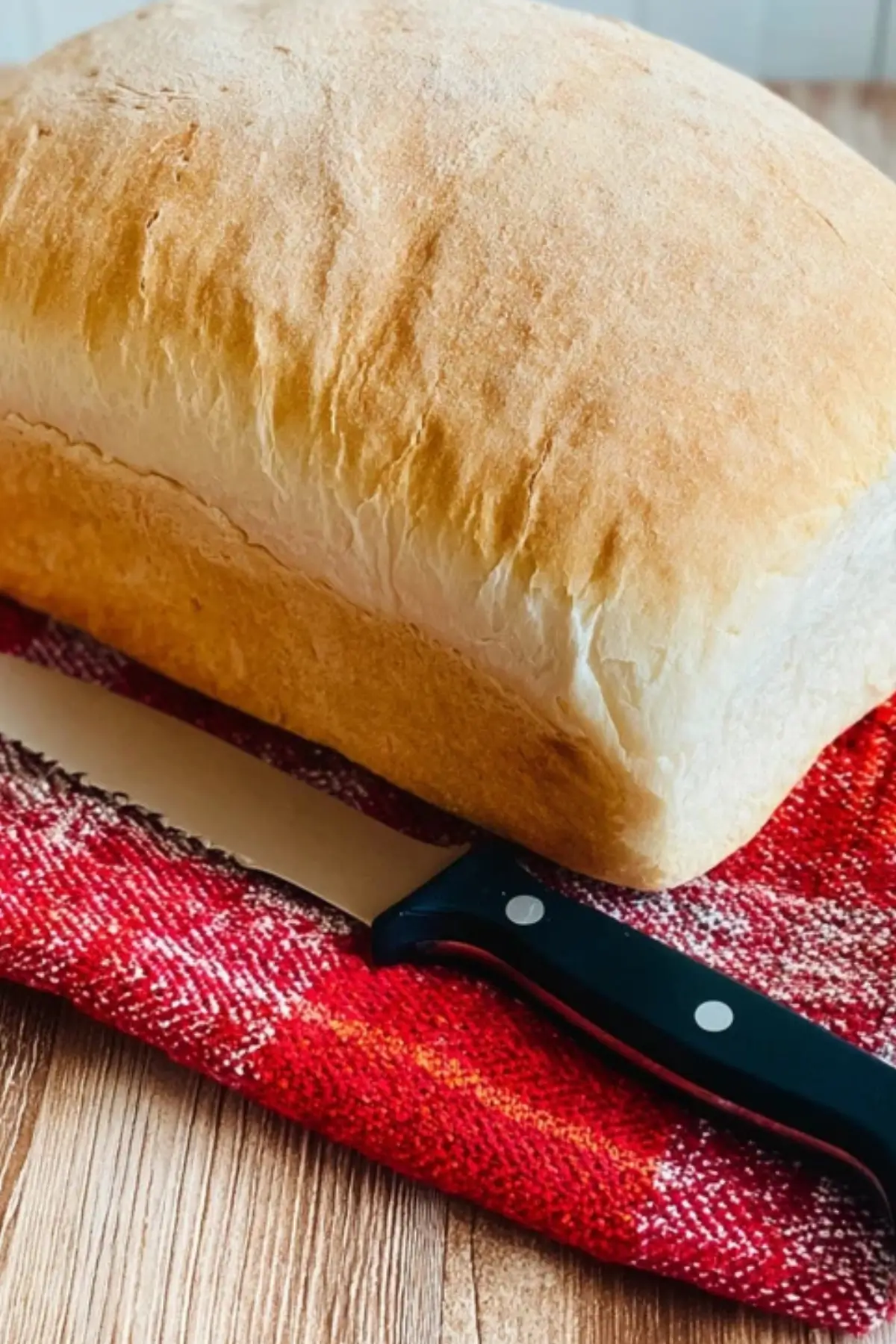
Table of Contents
Why You’ll Love This Soft Crust Sourdough Bread
This Soft Crust Sourdough Bread is everything you want in a loaf: flavorful, easy to make, and much healthier than what you find at the store. The sourdough starter provides a depth of taste, and the fermentation process adds beneficial probiotics, making it easy on your digestive system. Plus, it’s packed with nutrients that improve your overall health. If you’ve been craving a homemade bread with a soft crust and a tangy flavor, this recipe is the perfect choice.
Ingredients for Soft Crust Sourdough Bread
This sourdough bread uses simple, everyday ingredients, but each one contributes something important to the final result. Here’s what you’ll need:
• Sourdough Starter: A living culture that helps the dough rise and adds the signature tang to the bread.
• Purified Water: Helps hydrate the flour and activates the yeast in the starter.
• Large Egg: Adds richness and aids in the bread’s structure.
• Olive Oil: Enhances the texture, making the bread soft and flavorful.
• Honey: Adds moisture and supports yeast fermentation.
• Fine Sea Salt: Balances flavors and controls fermentation.
• Unbleached All-Purpose Flour: Provides the necessary structure and elasticity for a perfect loaf.
Alternative Ingredient Suggestions
For those with dietary preferences or missing an ingredient, here are a few swaps:
- Coconut Oil or Canola Oil instead of olive oil for a different flavor profile.
- Molasses in place of honey for a more robust sweetness.
- Gluten-Free Flour can be used as an alternative to all-purpose flour for a gluten-free version.
Step-by-Step Instructions
Follow these simple steps to make your very own Soft Crust Sourdough Bread:
- Combine Ingredients: Add your active sourdough starter, water, egg, olive oil, honey, salt, and flour to the bowl of a stand mixer fitted with a dough hook. Mix lightly until the dough begins to come together.
- Knead the Dough: Set your stand mixer to low speed and knead the dough for 8-10 minutes until it passes the windowpane test (when a small piece of dough can be stretched thin without tearing).
- First Proof: Form the dough into a ball and place it in an oiled mixing bowl. Cover with plastic wrap or a kitchen towel, and let it rest in a warm place for 6 hours to ferment and rise.
- Shape the Dough: Once proofed, turn the dough out onto a lightly greased surface. Roll it into a rectangle, fold in the sides, and then roll it into a log. Pinch the seams and ends to seal.
- Second Proof: Place the dough seam-side down in a greased 8.5×4.5-inch loaf pan. Cover and let it rise for 1.5 to 2 hours, or until it fills the pan and rises above the top by an inch.
- Bake: Preheat your oven to 350°F. Bake the bread for 25-30 minutes, or until it is golden brown and sounds hollow when tapped.
- Cool: Remove the loaf from the pan and let it cool on a rack for at least 30 minutes before slicing.

Tips & Tricks for Perfect Soft Crust Sourdough Bread
Here are some tips to help you make the best sourdough bread possible:
- Kneading by Hand: If you prefer to knead by hand, it will take around 10 minutes to develop the dough’s gluten.
- Overnight Proofing: For an overnight option, proof the dough in the refrigerator, then finish the final proof at room temperature.
- Storing the Bread: To store your sourdough, wrap it in plastic wrap or aluminum foil and keep it at room temperature for up to 5-7 days. Avoid refrigerating it, as this can dry out the bread.
Pairing Ideas and Variations
This Soft Crust Sourdough Bread is perfect for all kinds of dishes, from simple toast to sandwiches. Here are some pairing ideas and variations:
- Sandwiches: This bread is ideal for hearty sandwiches, whether you’re using it for a classic BLT or a veggie-packed option.
- Garlic Bread: Slice the bread, brush with garlic butter, and bake it for a delicious side dish.
- Storage: If you make a large batch, you can freeze the bread by wrapping it tightly in plastic wrap and placing it in a ziplock bag. It will keep for up to 3 months.
Health Benefits of Sourdough Bread
Not only is sourdough bread delicious, but it’s also packed with health benefits. The natural fermentation process enhances the nutritional profile of the bread by making the grains more digestible. Sourdough is also a great source of probiotics, which support gut health and digestion. It’s a great alternative for those who struggle with gluten intolerance, as the fermentation process breaks down gluten, making it easier on the stomach.
Conclusion
In conclusion, Soft Crust Sourdough Bread is a delicious and healthy option for homemade bread lovers. Its unique sourdough flavor, soft yet slightly chewy crust, and multiple health benefits make it a great choice for anyone looking to enjoy fresh, wholesome bread. Whether you’re an experienced baker or a beginner, this recipe is simple to follow and guarantees a satisfying result. Pair it with your favorite spreads or use it for sandwiches to elevate your meals. Enjoy the process of baking this bread from scratch and experience the joy of homemade goodness!
FAQ
Can I make Soft Crust Sourdough Bread without a stand mixer?
Yes, you can knead the dough by hand. While a stand mixer makes the process easier and faster, kneading by hand will take around 10 minutes to properly develop the dough’s gluten. Just ensure the dough is smooth and elastic before moving on to the proofing stage.
How long will Soft Crust Sourdough Bread stay fresh?
Soft Crust Sourdough Bread will stay fresh for 5-7 days when stored at room temperature, wrapped in plastic wrap or aluminum foil. Avoid storing it in the refrigerator as it can cause the bread to dry out quickly. For long-term storage, consider freezing it for up to 3 months.
Can I use a gluten-free flour blend to make this bread?
Yes, you can substitute gluten-free flour for the all-purpose flour. However, the texture and taste may slightly differ. Make sure to use a gluten-free flour blend that includes xanthan gum or another binding agent to help with structure and texture.
More Relevant Recipes
Print
Soft Crust Sourdough Bread Recipe
- Prep Time: 15 minutes
- Cook Time: 30 minutes
- Total Time: 45minutes
Description
This Soft Crust Sourdough Bread recipe is perfect for anyone who loves fresh, homemade bread. With its tangy flavor, soft texture, and easy-to-follow steps, it’s the perfect loaf for sandwiches, toast, or just a simple slice with butter. Packed with healthy probiotics, this bread is not only delicious but also beneficial for your gut health.
Ingredients
- 1 Cup Sourdough starter
- ½ Cup Purified water
- 1 Large egg
- 1 Tbsp Olive oil
- 1 ½ Tbsp Honey
- 1 tsp Fine sea salt
- 2 ¾ Cups Unbleached All-purpose flour
Instructions
- Add active sourdough starter, water, egg, olive oil, honey, salt, and flour to the bowl of a stand mixer fitted with a dough hook. Mix lightly until the dough comes together.
- Knead for 8-10 minutes on low speed until the dough passes the windowpane test. Form into a ball and transfer to an oiled mixing bowl.
- Lightly cover the bowl with plastic wrap or a clean kitchen towel. Set the bowl in a warm place for 6 hours to ferment and proof.
- Turn your dough out onto a lightly greased surface and roll it out into a rectangle. Fold in the sides and roll it over into a log. Pinch the seam and the ends of the log closed. Place the loaf seam-side down in a greased 8.5×4.5-inch loaf pan.
- Cover loaf with plastic wrap and place in a warm spot to proof until the loaf fills the pan and rises above the top by an inch. It should take about 1.5-2 hours.
- Bake in a 350°F oven on the center rack for 25-30 minutes or until the bread is golden and sounds hollow when tapped.
- Run a kitchen knife around the edges of the loaf to loosen it from the pan. Remove loaf to a cooling rack.
Notes
- If kneading by hand, it will take around 10 minutes for the dough to develop enough gluten.
- For an overnight option, proof the bread in the refrigerator and finish the final proofing at room temperature.
- Store this bread at room temperature wrapped in plastic wrap or aluminum foil for up to 5-7 days.
- To freeze, wrap the cooled bread tightly in plastic wrap and place it in a ziplock freezer bag. It can last up to 3 months.
Nutrition
- Serving Size: 1 slice
- Calories: 126 kcal
- Sugar: 2g
- Sodium: 280mg
- Fat: 2.5g
- Saturated Fat: 0.3g
- Unsaturated Fat: 2.2g
- Trans Fat: 0g
- Carbohydrates: 24g
- Fiber: 1g
- Protein: 4g
- Cholesterol: 25mg