Spring Salmon is the perfect way to celebrate the fresh, vibrant flavors of the season. This creamy, herb-packed dish combines tender salmon fillets with bright spring vegetables and a luscious dairy-free cream sauce that feels indulgent yet light. If you are looking for a wholesome dinner that is elegant enough for guests but simple enough for a weeknight, Spring Salmon delivers on all fronts. With fresh herbs, lemon, and crisp seasonal produce, this recipe captures everything we love about spring cooking in one comforting skillet.
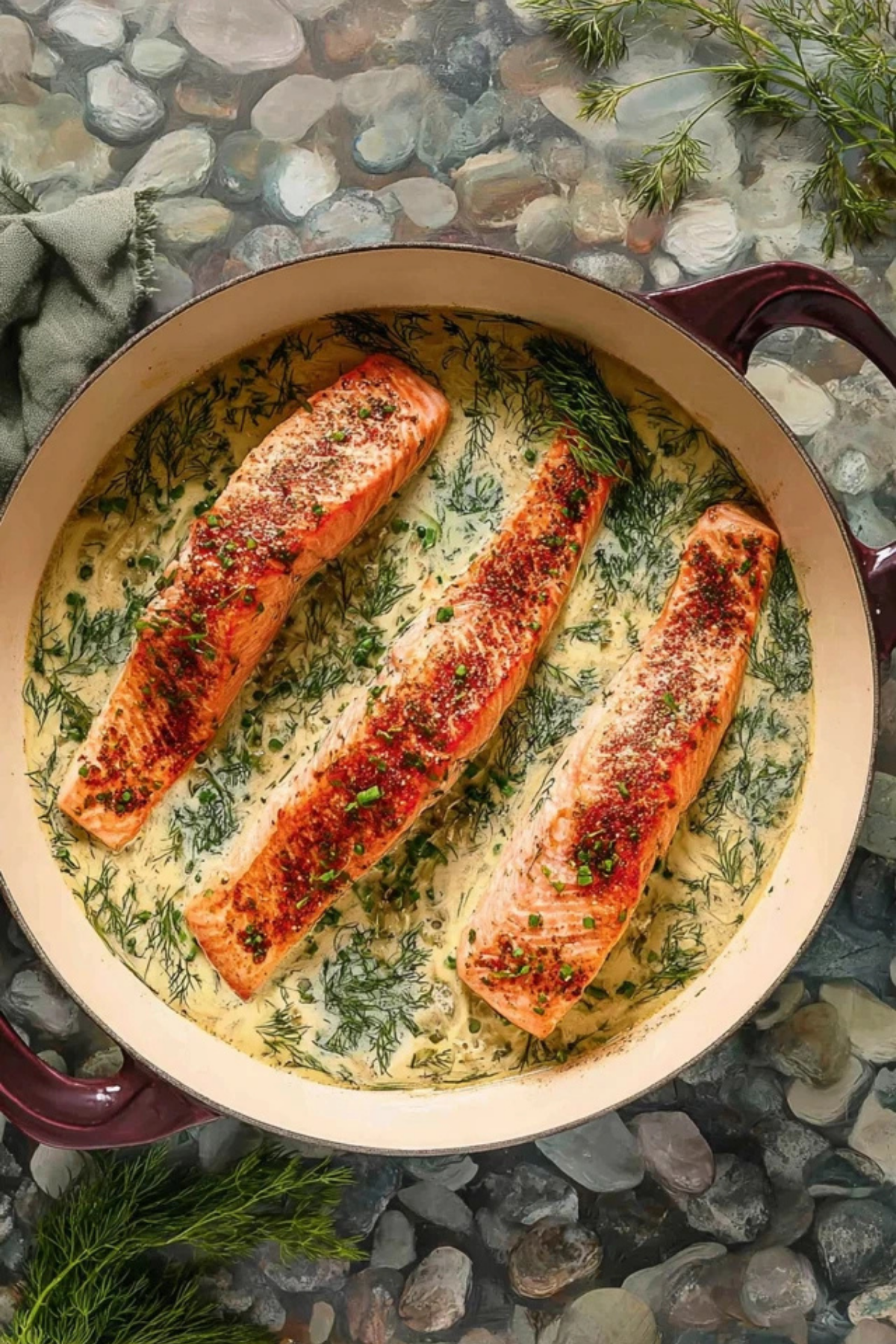
Table of Contents
Why You’ll Love This Spring Salmon Recipe
Spring Salmon stands out because it balances richness and freshness beautifully. The flaky salmon is pan-seared until golden, then simmered in a creamy sauce infused with garlic, shallots, and lemon zest. Fresh vegetables like asparagus and peas add texture and a burst of color, making this a complete meal in one pan.
This recipe is also naturally gluten-free and can easily be adapted for dairy-free or paleo diets. It is quick to prepare, typically ready in about 30 minutes, which makes it ideal for busy evenings. At the same time, the creamy sauce and tender fish give it a restaurant-quality feel.
Another reason Spring Salmon is a favorite is its versatility. You can serve it over rice, mashed potatoes, or alongside crusty bread to soak up the flavorful sauce. It is comfort food with a seasonal twist.
Fresh Ingredients That Make Spring Salmon Shine
- Salmon fillets: The star of Spring Salmon, providing rich flavor, flaky texture, and heart-healthy omega-3 fatty acids.
- Asparagus: Adds a crisp-tender bite and earthy freshness that pairs beautifully with salmon.
- Fresh peas: Bring sweetness and vibrant color to the creamy sauce.
- Shallots: Offer a mild onion flavor that enhances the base of the dish without overpowering it.
- Garlic: Adds aromatic depth and warmth.
- Lemon zest and juice: Brighten the entire Spring Salmon dish and balance the creamy elements.
- Fresh dill: Gives the recipe a light, herbaceous finish that feels distinctly spring-inspired.
- Fresh parsley: Adds color and a clean, fresh note.
- Chicken or vegetable broth: Forms the base of the sauce while keeping it light.
- Cream or dairy-free alternative: Creates the signature creamy texture in Spring Salmon.
- Olive oil: Used for searing the salmon and building flavor.
- Sea salt and black pepper: Essential for seasoning and enhancing all the fresh ingredients.
Alternative Ingredients and Easy Swaps
If you need to adapt this Spring Salmon recipe, there are several easy substitutions that work well.
For a dairy-free Spring Salmon, use full-fat coconut milk or a dairy-free cooking cream instead of traditional heavy cream. This keeps the sauce creamy while maintaining a subtle richness.
If asparagus is not available, try green beans or broccolini for a similar crisp texture. You can also swap peas for fava beans or even baby spinach for a softer, leafy addition.
Not a fan of dill? Fresh tarragon or basil can provide a different but equally delicious herbaceous flavor in your Spring Salmon. For extra brightness, add a splash of white wine to the sauce before simmering.
Step-by-Step Guide to Making Spring Salmon
- Pat the salmon fillets dry with paper towels and season both sides generously with salt and black pepper. This helps create a beautiful golden crust when searing.
- Heat olive oil in a large skillet over medium-high heat. Once hot, place the salmon skin-side down and cook undisturbed for about 4 to 5 minutes. The salmon should release easily when ready to flip.
- Flip the salmon and cook for another 2 to 3 minutes, until just cooked through. The center should be opaque and flake easily with a fork. Remove the salmon from the skillet and set aside.
- In the same skillet, reduce the heat to medium and add a bit more olive oil if needed. Sauté the shallots for 2 to 3 minutes until softened and fragrant.
- Add minced garlic and cook for about 30 seconds, stirring constantly to prevent burning. The aroma will intensify quickly.
- Stir in the asparagus pieces and cook for 3 to 4 minutes until they begin to soften but still retain a slight crunch. This keeps your Spring Salmon vibrant and fresh.
- Pour in the broth and bring to a gentle simmer. Allow it to reduce slightly for a few minutes to concentrate the flavor.
- Add the cream or dairy-free alternative, stirring well to combine. Let the sauce simmer gently until it thickens enough to coat the back of a spoon.
- Stir in the peas, lemon zest, and a squeeze of lemon juice. Taste and adjust seasoning as needed. The sauce should be creamy, bright, and well-balanced.
- Return the salmon to the skillet, spooning the creamy sauce and vegetables over the top. Let everything simmer together for 2 to 3 minutes so the flavors meld.
- Finish your Spring Salmon with freshly chopped dill and parsley. Serve immediately while warm and saucy.
Tips for Perfect Spring Salmon Every Time
To achieve the best texture in Spring Salmon, avoid overcooking the fish. Salmon continues to cook slightly after being removed from the heat, so aim for just-cooked and tender rather than fully firm in the pan.
Make sure your skillet is properly heated before adding the salmon. A hot pan ensures a crispy exterior while keeping the inside moist and flaky.
When preparing the creamy sauce for Spring Salmon, keep the heat at a gentle simmer. Boiling too vigorously can cause the sauce to separate or reduce too quickly.
For extra flavor, consider adding a pinch of red pepper flakes to give the dish a subtle kick. You can also stir in a spoonful of Dijon mustard for added depth.
Leftover Spring Salmon can be stored in an airtight container in the refrigerator for up to two days. Reheat gently over low heat to preserve the texture of the fish and the cream sauce.
Pairing Ideas and Creative Variations
Spring Salmon pairs beautifully with simple sides that complement its creamy texture. Serve it over fluffy white rice, cauliflower rice, or buttery mashed potatoes to soak up every bit of sauce.
For a lighter option, pair Spring Salmon with a crisp green salad dressed in lemon vinaigrette. The acidity balances the richness of the creamy salmon dish.
You can also turn Spring Salmon into a complete spring feast by serving it with roasted baby potatoes and a side of sautéed spinach. Crusty bread is another excellent addition for dipping into the sauce.
To create a spicy version of Spring Salmon, add chopped chili peppers or a dash of hot sauce to the cream mixture. For a Mediterranean twist, incorporate sun-dried tomatoes and capers.
If you are meal prepping, prepare the sauce and vegetables ahead of time. When ready to serve, simply sear the salmon and combine everything for fresh, flavorful Spring Salmon in minutes.
Health Benefits of Spring Salmon and Seasonal Ingredients
Spring Salmon is not only delicious but also packed with nutritional benefits. Salmon is rich in omega-3 fatty acids, which support heart health and reduce inflammation. It is also an excellent source of high-quality protein, vitamin D, and B vitamins.
The spring vegetables in this Spring Salmon recipe add fiber, antioxidants, and essential vitamins. Asparagus is known for its folate and vitamin K content, while peas provide plant-based protein and natural sweetness.
Using fresh herbs like dill and parsley enhances both flavor and nutritional value. These herbs contain antioxidants and help brighten the creamy salmon dish without adding extra calories.
Because Spring Salmon focuses on whole, seasonal ingredients, it feels nourishing and satisfying without being heavy. It is comfort food that aligns with balanced eating.
Bringing Fresh Flavor to Your Table with Spring Salmon
Spring Salmon captures the essence of seasonal cooking: simple ingredients, bright flavors, and comforting textures. With its creamy sauce, tender fish, and crisp vegetables, this dish is both elegant and approachable.
Whether you are preparing dinner for your family or hosting friends, Spring Salmon makes a memorable centerpiece. Its vibrant colors and fresh aroma instantly elevate the table.
Once you try this creamy Spring Salmon recipe, it may become your go-to spring dinner. It is quick, adaptable, and filled with the fresh flavors that define the season.
Conclusion: Why Spring Salmon Belongs on Your Table
Spring Salmon is more than just a seasonal recipe—it is a celebration of fresh ingredients, balanced flavors, and simple cooking techniques. The creamy sauce, bright lemon, tender asparagus, and flaky salmon come together in a way that feels both comforting and refreshing. It is the kind of dish that looks impressive but comes together effortlessly in one skillet.
Whether you are planning a weeknight dinner or a special gathering, Spring Salmon offers flexibility, nutrition, and bold spring flavor. The combination of healthy salmon, fresh herbs, and vibrant vegetables makes this meal satisfying without feeling heavy. Once you master this Spring Salmon recipe, you will find yourself returning to it every spring—and likely throughout the year.
Frequently Asked Questions About Spring Salmon
How do I know when Spring Salmon is fully cooked?
Spring Salmon is fully cooked when the flesh turns opaque and flakes easily with a fork. The internal temperature should reach 125–130°F for medium or about 140°F for well done. Be careful not to overcook it, as salmon can dry out quickly. Removing it from heat slightly early allows carryover cooking to finish the process while keeping the texture tender.
Can I make Spring Salmon ahead of time?
Yes, you can partially prepare Spring Salmon in advance. The creamy sauce and vegetables can be made a day ahead and stored in the refrigerator. When ready to serve, sear the salmon fresh and gently reheat the sauce before combining. This keeps the salmon flaky and prevents it from becoming overcooked.
What other vegetables work well in Spring Salmon?
Spring Salmon pairs well with many seasonal vegetables. In addition to asparagus and peas, you can use broccolini, baby spinach, zucchini, or even artichoke hearts. The key is choosing vegetables that cook quickly and complement the creamy lemon herb sauce without overpowering the salmon.
More Relevant Recipes
- Spring Vegetable Brown Butter Gnocchi – Easy Favorite
- Shrimp Pasta with Dill Pesto and Garlic Roasted Tomatoes Easy
- Irish Bangers and Mash with Guinness Onion Gravy – Best Classic
Spring Salmon
- Prep Time: 10 minutes
- Cook Time: 20 minutes
- Total Time: 30 minutes
- Yield: 4 servings 1x
- Category: Dinner
- Method: Skillet
- Cuisine: American
- Diet: Gluten Free
Description
Spring Salmon is a creamy, lemon herb skillet dish made with tender salmon fillets, fresh asparagus, sweet peas, and a rich yet light cream sauce. This easy one-pan dinner highlights fresh spring flavors while delivering a healthy, protein-packed meal perfect for weeknights or entertaining.
Ingredients
- 4 salmon fillets (6 oz each)
- 1 tablespoon olive oil
- 1 teaspoon sea salt
- 1/2 teaspoon black pepper
- 1 shallot, finely diced
- 3 cloves garlic, minced
- 1 bunch asparagus, trimmed and cut into 2-inch pieces
- 1 cup fresh or frozen peas
- 1 cup chicken or vegetable broth
- 3/4 cup heavy cream or dairy-free cooking cream
- 1 teaspoon lemon zest
- 2 tablespoons fresh lemon juice
- 2 tablespoons fresh dill, chopped
- 2 tablespoons fresh parsley, chopped
Instructions
- Pat the salmon fillets dry and season both sides with salt and black pepper.
- Heat olive oil in a large skillet over medium-high heat. Sear the salmon skin-side down for 4–5 minutes until golden and crisp.
- Flip the salmon and cook for another 2–3 minutes until just cooked through. Remove from the skillet and set aside.
- Reduce heat to medium. Add shallots and sauté for 2–3 minutes until softened.
- Add garlic and cook for 30 seconds until fragrant.
- Stir in the asparagus and cook for 3–4 minutes until slightly tender but still crisp.
- Pour in the broth and bring to a gentle simmer. Let reduce for 3–4 minutes.
- Stir in the cream and simmer until the sauce thickens enough to coat the back of a spoon.
- Add peas, lemon zest, and lemon juice. Adjust seasoning to taste.
- Return the salmon to the skillet and spoon sauce over the top. Simmer for 2–3 minutes until heated through.
- Finish with fresh dill and parsley before serving.
Notes
- Do not overcook the salmon; it should flake easily but remain moist.
- Use full-fat coconut milk for a dairy-free alternative.
- Add a splash of white wine before the broth for extra depth of flavor.
- Store leftovers in an airtight container for up to 2 days.
- Reheat gently over low heat to prevent the sauce from separating.
Nutrition
- Serving Size: 1 salmon fillet with sauce and vegetables
- Calories: 480
- Sugar: 4g
- Sodium: 420mg
- Fat: 32g
- Saturated Fat: 12g
- Unsaturated Fat: 18g
- Trans Fat: 0g
- Carbohydrates: 10g
- Fiber: 3g
- Protein: 38g
- Cholesterol: 110mg