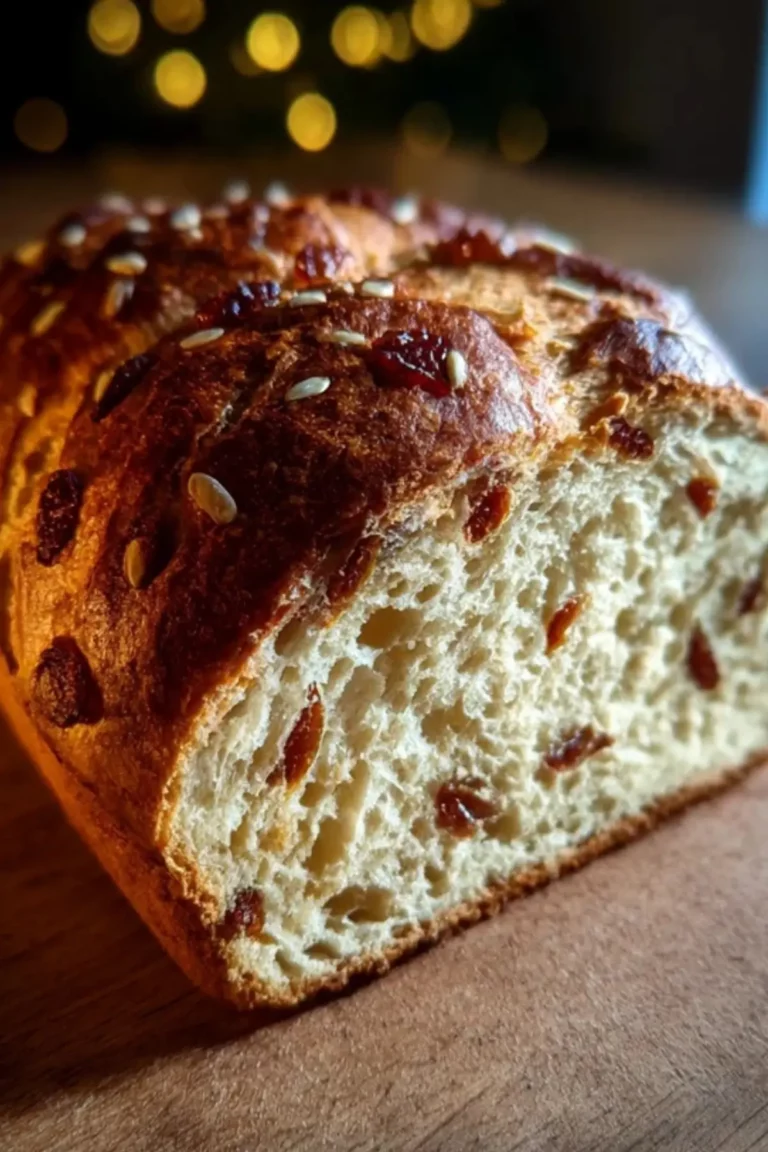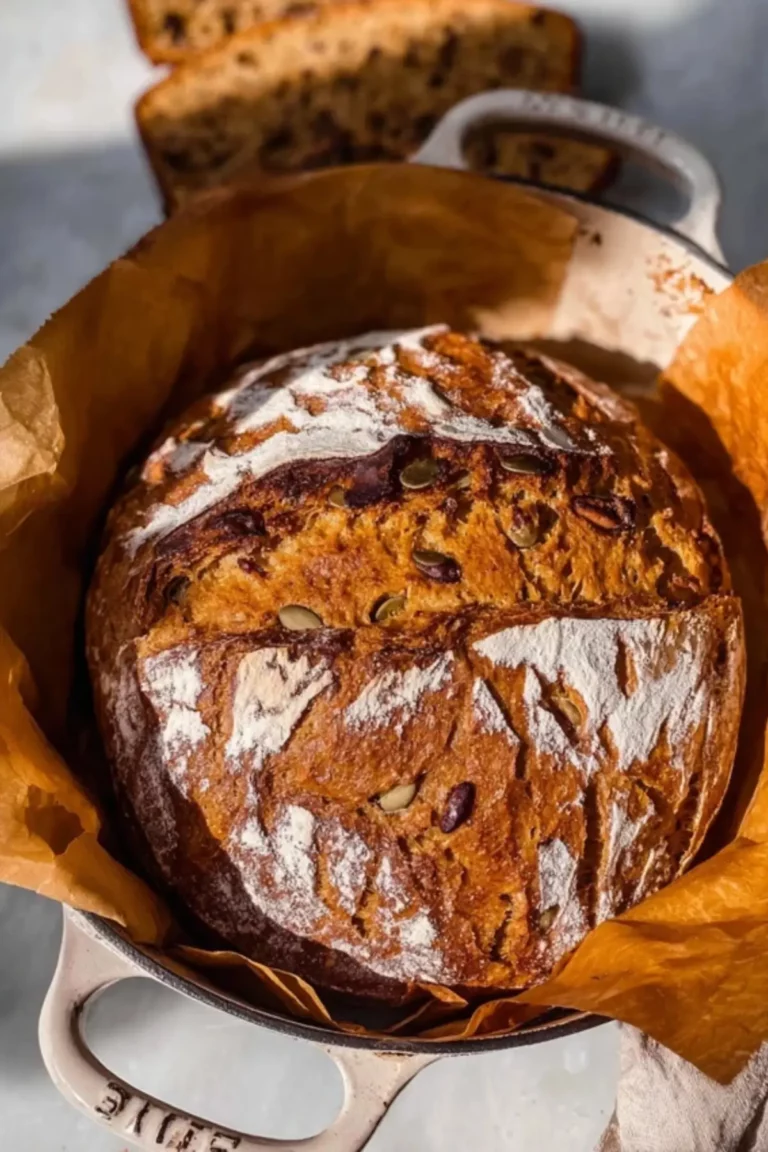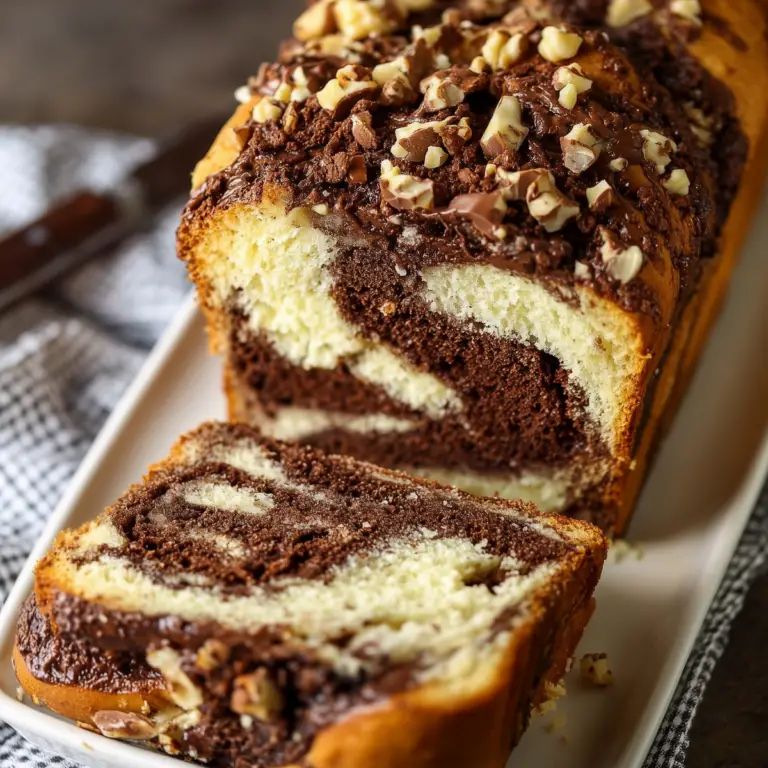
Sweet Glazed Easter Bread is a beautiful and traditional holiday treat that brings warmth and celebration to the Easter table. With its soft, fluffy texture, lightly sweet flavor, and shiny sugar glaze, this festive bread is both comforting and visually stunning. Many families bake Sweet Glazed Easter Bread as part of their Easter brunch or holiday gathering, often serving it alongside coffee, tea, or fresh fruit.
What makes Sweet Glazed Easter Bread especially appealing is its balance of rich flavor and delicate sweetness. The dough is tender and slightly buttery, while the glaze adds a light sugary finish that makes each slice irresistible. Whether you are preparing a holiday breakfast, a spring dessert, or simply enjoying seasonal baking, Sweet Glazed Easter Bread offers the perfect combination of tradition, flavor, and homemade comfort.
Beyond its delicious taste, Sweet Glazed Easter Bread is also known for its braided shape and festive appearance. In many cultures, decorative breads symbolize celebration and renewal, making this recipe a meaningful addition to Easter traditions. Once you learn how simple it is to make, Sweet Glazed Easter Bread may quickly become a yearly baking ritual in your kitchen.
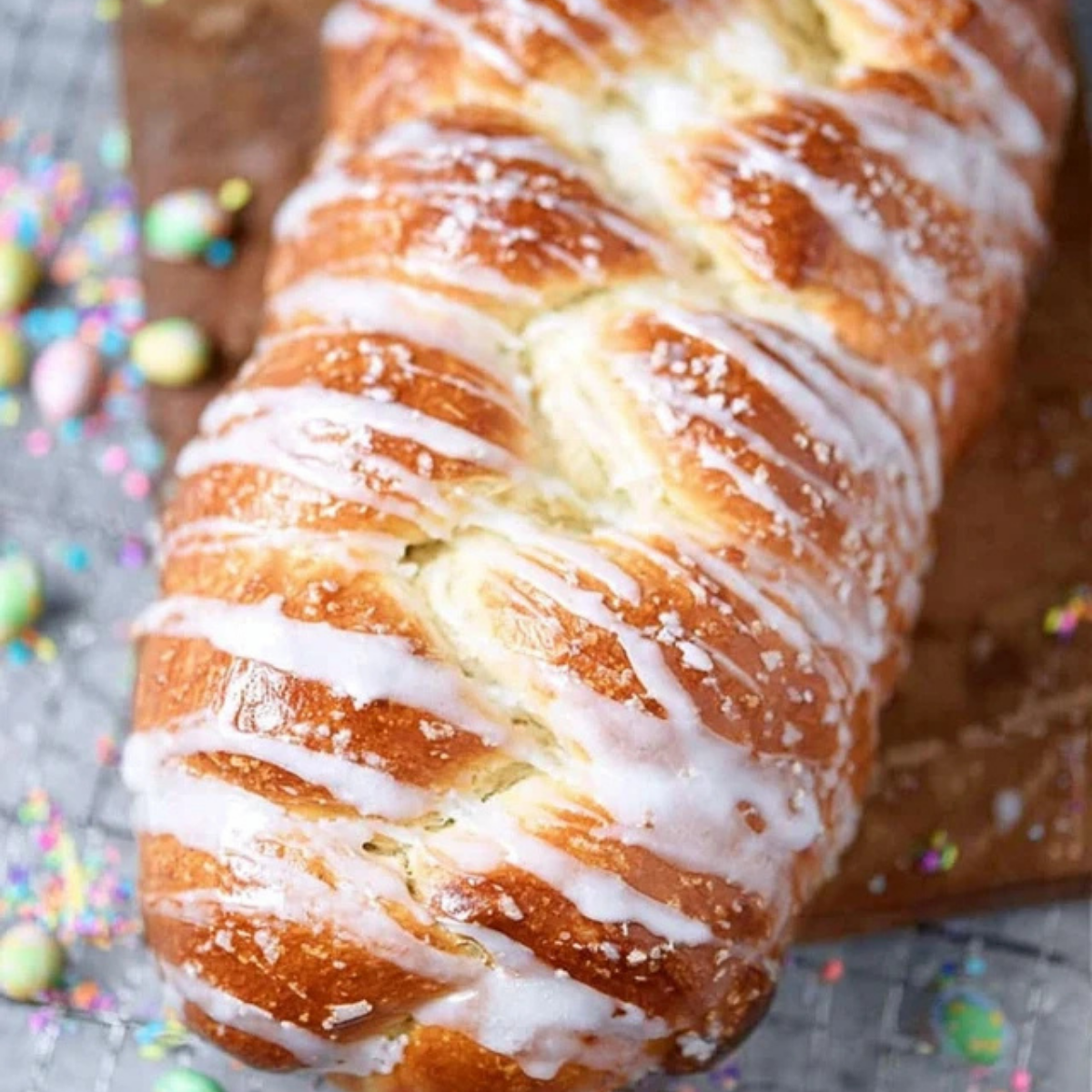
Table of Contents
Why Sweet Glazed Easter Bread Is a Holiday Favorite
Sweet Glazed Easter Bread stands out among spring desserts because it combines the qualities of a soft homemade bread with the sweetness of a pastry. The braided dough creates a light, airy crumb that pairs perfectly with the delicate sugar glaze.
Another reason bakers love Sweet Glazed Easter Bread is its versatility. It can be served as a breakfast bread, a dessert, or a snack with afternoon tea. The gentle sweetness means it is not overly sugary, making it suitable for all ages.
The recipe also allows plenty of creativity. Some bakers add citrus zest, colorful sprinkles, or dyed eggs nestled in the braid to enhance the festive presentation. No matter how you customize it, Sweet Glazed Easter Bread remains a centerpiece-worthy addition to any Easter celebration.
From its fluffy texture to its glossy glaze, Sweet Glazed Easter Bread perfectly captures the joyful spirit of spring baking.
Ingredients for Sweet Glazed Easter Bread
The ingredients for Sweet Glazed Easter Bread are simple pantry staples that work together to create a rich yet delicate dough. Each ingredient contributes to the flavor, texture, and structure of the bread.
• All-Purpose Flour: Forms the structure of the bread and creates a soft, tender crumb.
• Granulated Sugar: Adds sweetness and helps the dough develop a light golden color during baking.
• Active Dry Yeast: Allows the dough to rise and become airy and fluffy.
• Warm Milk: Activates the yeast and enriches the dough with moisture and softness.
• Eggs: Provide richness, structure, and a slightly custard-like texture in the finished bread.
• Unsalted Butter: Adds flavor and tenderness while helping the bread stay moist.
• Salt: Balances the sweetness and enhances the overall flavor of Sweet Glazed Easter Bread.
• Vanilla Extract: Brings warmth and a gentle aromatic sweetness to the dough.
• Powdered Sugar: Used to create the sweet glaze that coats the finished bread.
• Milk or Cream for Glaze: Helps form a smooth, pourable icing for the top of the bread.
• Colorful Sprinkles: Often added on top of the glaze for a festive Easter appearance.
Alternative Ingredient Suggestions
There are several easy substitutions that can adapt Sweet Glazed Easter Bread to different preferences or available ingredients.
If you prefer a richer flavor, you can substitute part of the milk with heavy cream. This creates an even softer crumb and enhances the buttery taste of the bread.
For a citrus twist, add lemon zest or orange zest to the dough. Citrus flavors pair beautifully with Sweet Glazed Easter Bread and bring a bright springtime aroma.
Those looking for a dairy-free option can replace milk with almond milk or oat milk and use plant-based butter instead of regular butter.
If you enjoy a slightly sweeter glaze, you can add a drop of vanilla or almond extract to the icing mixture. This small change adds a subtle bakery-style flavor to your Sweet Glazed Easter Bread.
Step-by-Step Instructions for Sweet Glazed Easter Bread
- Begin by activating the yeast. In a mixing bowl, combine warm milk with a small amount of sugar and sprinkle the active dry yeast on top. Allow the mixture to sit for about five to ten minutes until it becomes foamy, indicating that the yeast is active.
- In a large mixing bowl, combine flour, remaining sugar, and salt. This dry mixture forms the base for your Sweet Glazed Easter Bread dough.
- Add the yeast mixture, eggs, softened butter, and vanilla extract to the bowl with the dry ingredients. Mix until the dough begins to come together.
- Knead the dough on a lightly floured surface for approximately eight to ten minutes. The dough should become smooth, elastic, and slightly tacky but not sticky.
- Place the kneaded dough in a lightly greased bowl and cover it with a clean towel. Allow it to rise in a warm place for about one to one and a half hours, or until it doubles in size.
- Once the dough has risen, punch it down gently to release excess air. Divide the dough into equal portions depending on how many braids you plan to create.
- Roll each portion into long ropes and braid them together to form the classic braided shape of Sweet Glazed Easter Bread. Carefully transfer the braid to a lined baking sheet.
- Cover the shaped bread loosely and allow it to rise again for about thirty minutes. This second rise helps create the light, fluffy texture characteristic of Sweet Glazed Easter Bread.
- Preheat your oven to 350°F (175°C). Once the bread has puffed up slightly, bake it for about 20–25 minutes or until the top becomes golden brown.
- Remove the bread from the oven and allow it to cool completely on a wire rack. Cooling ensures the glaze will set properly.
- Prepare the glaze by mixing powdered sugar with a small amount of milk until smooth and pourable. Drizzle the glaze generously over the cooled Sweet Glazed Easter Bread.
- Finish by adding colorful sprinkles on top of the glaze for a festive Easter look.
Tips for Perfect Sweet Glazed Easter Bread
Making Sweet Glazed Easter Bread is straightforward, but a few helpful tips can ensure the best results every time.
Always check the temperature of your milk before adding yeast. If the milk is too hot, it can kill the yeast and prevent the dough from rising properly. Aim for warm, not hot, milk.
Kneading the dough thoroughly is essential for developing gluten. Properly kneaded dough gives Sweet Glazed Easter Bread its signature fluffy texture.
Allowing enough time for both rises is another key step. Rushing the rising process may result in dense bread rather than the light and airy texture expected from Sweet Glazed Easter Bread.
When applying the glaze, make sure the bread has cooled completely. Adding glaze to warm bread can cause it to melt and run off instead of forming a glossy coating.
For added flavor, you can brush the bread lightly with egg wash before baking. This step enhances the golden color and gives Sweet Glazed Easter Bread a beautiful bakery-style finish.
Serving Ideas and Creative Variations
Sweet Glazed Easter Bread can be served in many delicious ways, making it a versatile addition to any spring gathering.
For a simple breakfast, serve slices of Sweet Glazed Easter Bread with butter and a cup of coffee or tea. The slightly sweet bread pairs perfectly with hot beverages.
It also works wonderfully as part of an Easter brunch spread. Pair it with fresh fruit, scrambled eggs, yogurt parfaits, or a savory quiche to balance the sweetness.
If you want a dessert-style presentation, toast slices lightly and serve them with whipped cream and berries. This transforms Sweet Glazed Easter Bread into an elegant spring dessert.
There are also many fun variations you can try. Adding raisins or dried cranberries to the dough creates a fruit-filled version of Sweet Glazed Easter Bread. Chocolate chips can add a sweeter twist that children especially enjoy.
Some bakers like to incorporate colored hard-boiled eggs into the braided dough before baking. This decorative tradition is common in several European Easter bread recipes and adds a symbolic holiday touch.
Leftover Sweet Glazed Easter Bread can be stored in an airtight container at room temperature for up to two days. For longer storage, wrap it tightly and freeze it for up to two months.
The Tradition Behind Sweet Glazed Easter Bread
Sweet Glazed Easter Bread is more than just a delicious recipe; it also carries deep cultural and seasonal significance. Across many countries, sweet braided breads are associated with Easter celebrations, symbolizing renewal, life, and togetherness.
The braided shape often represents unity and family bonds, while the sweetness reflects the joy of the holiday. In some traditions, decorated breads are prepared as gifts for neighbors and loved ones.
Baking Sweet Glazed Easter Bread at home allows families to connect with these traditions while creating new memories in the kitchen. Children can help braid the dough, drizzle the glaze, or add colorful sprinkles, making the process both fun and meaningful.
As spring arrives and Easter approaches, the comforting aroma of freshly baked Sweet Glazed Easter Bread fills the kitchen with warmth and celebration. With its soft texture, delicate sweetness, and festive appearance, this classic holiday bread continues to bring people together year after year.
Conclusion
Sweet Glazed Easter Bread is a timeless recipe that brings warmth, beauty, and flavor to any Easter celebration. Its soft braided texture, delicate sweetness, and glossy sugar glaze make it both comforting and festive. Whether served as part of a holiday brunch, an afternoon treat, or a dessert centerpiece, Sweet Glazed Easter Bread captures the joyful spirit of spring baking.
What makes Sweet Glazed Easter Bread truly special is how simple ingredients come together to create something memorable. The rich dough rises into a light and fluffy loaf, while the sweet glaze adds a finishing touch that enhances both taste and appearance. With its golden crust and decorative sprinkles, this bread instantly brightens any holiday table.
Another reason bakers love Sweet Glazed Easter Bread is its versatility. It can be customized with citrus zest, dried fruits, or colorful decorations while still maintaining its classic flavor. Whether you follow the traditional approach or experiment with creative variations, the result is always a delicious homemade bread that feels special and celebratory.
Baking Sweet Glazed Easter Bread at home also creates meaningful moments in the kitchen. From kneading the dough to braiding the strands and drizzling the glaze, each step becomes part of a joyful seasonal tradition. Once you experience the aroma of freshly baked Sweet Glazed Easter Bread filling your kitchen, it is easy to see why this recipe continues to be cherished year after year.
Frequently Asked Questions About Sweet Glazed Easter Bread
What makes Sweet Glazed Easter Bread different from regular sweet bread?
Sweet Glazed Easter Bread is typically braided and topped with a light sugar glaze, giving it a festive appearance that is perfect for Easter celebrations. Unlike many sweet breads, Sweet Glazed Easter Bread has a delicate sweetness rather than a dessert-level sugar content. The glaze and optional sprinkles provide the final decorative touch that makes it ideal for holiday gatherings.
Can Sweet Glazed Easter Bread be made ahead of time?
Yes, Sweet Glazed Easter Bread can easily be prepared ahead of time. You can bake the bread one day in advance and store it in an airtight container at room temperature. For best results, wait to add the glaze until just before serving so the topping remains fresh and glossy. If needed, Sweet Glazed Easter Bread can also be frozen and thawed before glazing.
How should Sweet Glazed Easter Bread be stored?
To keep Sweet Glazed Easter Bread fresh, store it in an airtight container or wrap it tightly in plastic wrap. It will stay soft at room temperature for about two days. For longer storage, you can freeze Sweet Glazed Easter Bread for up to two months. When ready to enjoy, simply thaw and add fresh glaze if desired.
More Relevant Recipes
Print
Sweet Glazed Easter Bread
- Prep Time: 20 minutes
- Cook Time: 25 minutes
- Total Time: 2 hours 15 minutes
- Yield: 10 slices 1x
- Category: Bread
- Method: Baking
- Cuisine: European
- Diet: Vegetarian
Description
Sweet Glazed Easter Bread is a soft, fluffy braided holiday bread topped with a simple sugar glaze and festive sprinkles. This traditional Easter treat features lightly sweet enriched dough made with eggs, milk, butter, and yeast, creating a tender crumb and golden crust. Perfect for Easter brunch or spring gatherings, this homemade Sweet Glazed Easter Bread is both beautiful and delicious.
Ingredients
- 4 cups all-purpose flour
- 1/2 cup granulated sugar
- 2 1/4 teaspoons active dry yeast (1 packet)
- 1 cup warm milk
- 2 large eggs
- 1/4 cup unsalted butter, softened
- 1 teaspoon salt
- 1 teaspoon vanilla extract
- 1 1/2 cups powdered sugar (for glaze)
- 2–3 tablespoons milk or cream (for glaze)
- 2 tablespoons colorful sprinkles
Instructions
- In a bowl, combine warm milk with 1 tablespoon of sugar and sprinkle the yeast on top. Let it sit for 5–10 minutes until foamy.
- In a large mixing bowl, whisk together the flour, remaining sugar, and salt.
- Add the yeast mixture, eggs, softened butter, and vanilla extract to the dry ingredients. Mix until a soft dough forms.
- Knead the dough on a lightly floured surface for about 8–10 minutes until smooth and elastic.
- Place the dough in a lightly greased bowl, cover, and let it rise in a warm place for 1–1.5 hours until doubled in size.
- Punch down the dough and divide it into three equal pieces. Roll each piece into a long rope.
- Braid the three ropes together and place the braid on a parchment-lined baking sheet.
- Cover loosely and let the braided dough rise again for 30 minutes.
- Preheat the oven to 350°F (175°C) and bake the bread for 20–25 minutes until golden brown.
- Remove from the oven and allow the bread to cool completely on a wire rack.
- In a bowl, whisk powdered sugar with milk until smooth to create the glaze.
- Drizzle the glaze over the cooled bread and top with colorful sprinkles before serving.
Notes
- Make sure the milk is warm, not hot, to properly activate the yeast.
- Kneading the dough well helps create the soft and fluffy texture of the bread.
- Allow enough time for both rises to ensure the bread is light and airy.
- Always glaze the bread after it has fully cooled to prevent the icing from melting.
- Add lemon or orange zest to the dough for a bright citrus flavor.
- Store leftover bread in an airtight container at room temperature for up to 2 days.
Nutrition
- Serving Size: 1 slice
- Calories: 240
- Sugar: 16 g
- Sodium: 180 mg
- Fat: 6 g
- Saturated Fat: 3.5 g
- Unsaturated Fat: 2 g
- Trans Fat: 0 g
- Carbohydrates: 41 g
- Fiber: 1 g
- Protein: 5 g
- Cholesterol: 45 mg