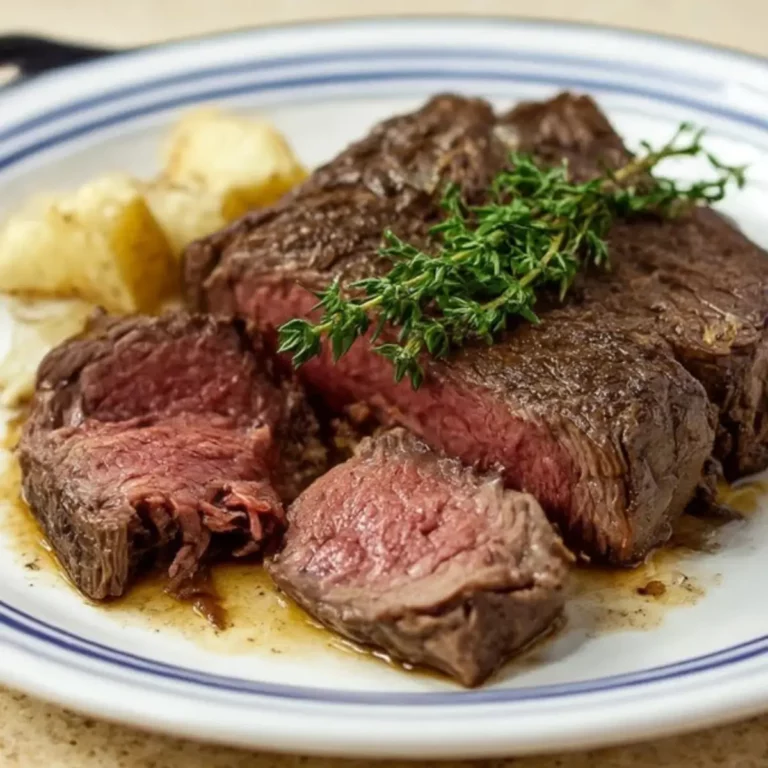
Corned Beef is a timeless comfort dish known for its rich flavor, tender texture, and satisfying heartiness. Traditionally simmered with cabbage and vegetables, Corned Beef becomes incredibly juicy and flavorful as it slowly cooks in aromatic broth. This classic meal is especially popular for family dinners and festive occasions, but it’s also simple enough to make anytime you crave a warm, hearty dish.
What makes this Corned Beef recipe special is the balance of savory meat, soft vegetables, and a bold, creamy horseradish sauce that brightens every bite. The slow simmering process allows the spices to penetrate the brisket while the cabbage and root vegetables soak up the flavorful cooking liquid. The result is a comforting meal that feels rustic, satisfying, and deeply flavorful.
Whether you’re preparing Corned Beef for a holiday tradition or simply looking for a wholesome dinner idea, this method ensures perfectly tender meat and vibrant vegetables every time.
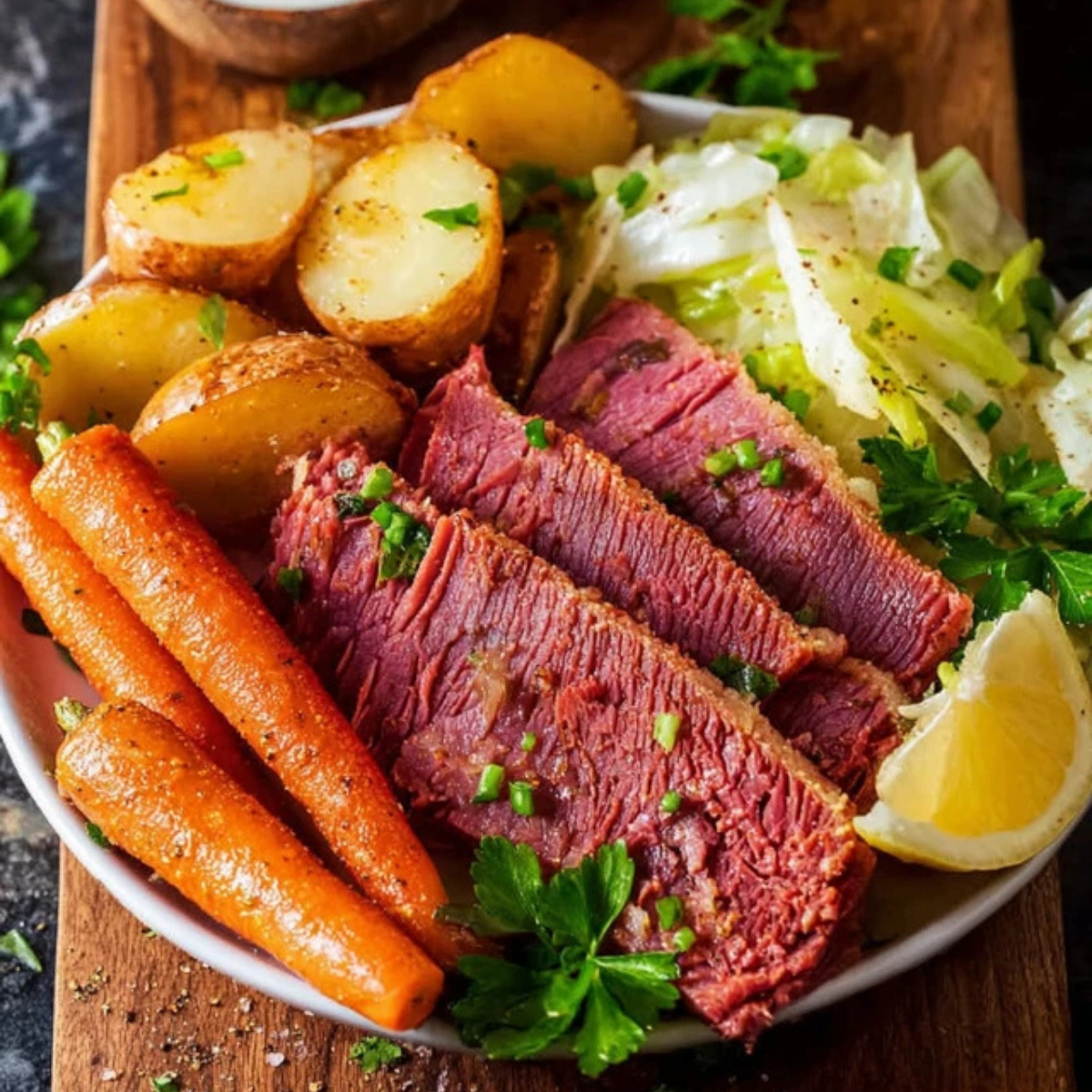
Table of Contents
Why This Corned Beef Recipe Works So Well
One reason this Corned Beef recipe stands out is its simplicity. The cooking process requires minimal effort while delivering complex flavors that develop slowly as the brisket cooks.
The slow simmer allows the Corned Beef brisket to become fork-tender without drying out. As it cooks, the seasoning blend infuses the broth and vegetables, creating layers of savory flavor.
Another strength of this Corned Beef and cabbage dish is its balance of textures. The meat becomes melt-in-your-mouth tender while the cabbage remains soft but not mushy. Carrots and potatoes add natural sweetness that complements the salty richness of the brisket.
Finally, the creamy horseradish sauce provides a bright and tangy contrast. Its sharp flavor cuts through the richness of the Corned Beef and adds a refreshing kick that elevates the entire meal.
Essential Ingredients for Flavorful Corned Beef
• Corned beef brisket: The star of the dish, this cured brisket provides the signature salty, savory flavor and becomes incredibly tender when simmered slowly.
• Green cabbage: Adds mild sweetness and a soft texture that absorbs the seasoned broth beautifully.
• Carrots: Provide natural sweetness and color while balancing the richness of the Corned Beef.
• Potatoes: A hearty addition that makes the meal more filling and absorbs the flavorful cooking liquid.
• Onion: Adds depth and aromatic flavor to the simmering broth.
• Garlic: Enhances the savory base and complements the spices used in Corned Beef.
• Pickling spice blend: Usually included with the brisket, this mix of mustard seeds, coriander, bay leaves, and peppercorns gives Corned Beef its classic flavor.
• Bay leaves: Provide subtle herbal notes that enrich the broth.
• Black peppercorns: Add gentle warmth and spice to the cooking liquid.
• Sour cream: Forms the creamy base of the horseradish sauce.
• Prepared horseradish: Brings sharp, spicy brightness that pairs perfectly with Corned Beef.
• Dijon mustard: Adds tang and depth to the sauce.
• Lemon juice: Brightens the horseradish sauce and balances its richness.
• Fresh parsley: Adds color and a fresh herbal finish to the dish.
Alternative Ingredient Suggestions
If you want to customize this Corned Beef recipe, several ingredient swaps work well without compromising flavor.
If sour cream isn’t available, Greek yogurt makes a great substitute for the horseradish sauce. It keeps the sauce creamy while adding a slight tang.
For a milder flavor, you can reduce the amount of prepared horseradish in the sauce or replace part of it with Dijon mustard.
Root vegetables can also be adapted. Parsnips, turnips, or rutabaga work beautifully alongside Corned Beef and add earthy sweetness to the dish.
If you prefer a lower-carb option, replace the potatoes with cauliflower florets. They still absorb the flavorful broth while keeping the meal lighter.
Step-by-Step Instructions for Perfect Corned Beef
- Begin by removing the Corned Beef brisket from its packaging and rinsing it gently under cold water. This step helps remove excess brine and balances the saltiness of the meat.
- Place the Corned Beef in a large Dutch oven or stockpot. Add enough water to fully cover the brisket. Sprinkle in the pickling spice blend, bay leaves, garlic, onion, and peppercorns.
- Bring the pot to a gentle boil over medium-high heat. Once boiling, reduce the heat to low and allow the Corned Beef to simmer slowly. Cover the pot partially and cook for about 2½ to 3 hours.
- Check the Corned Beef periodically to ensure it remains submerged in the cooking liquid. Add more hot water if necessary.
- After the brisket has cooked for about two hours, add the carrots and potatoes to the pot. These vegetables need less cooking time but will absorb the flavorful broth.
- Continue simmering the Corned Beef and vegetables for about 30 minutes until the vegetables begin to soften.
- Add wedges of cabbage to the pot during the final 15 minutes of cooking. This keeps the cabbage tender without overcooking it.
- Test the Corned Beef for doneness by inserting a fork into the thickest part. When properly cooked, the meat should be very tender and easy to pierce.
- Carefully remove the Corned Beef from the pot and place it on a cutting board. Allow it to rest for about 10 minutes before slicing.
- Slice the Corned Beef against the grain into thin pieces. Cutting against the grain ensures the brisket remains tender rather than chewy.
- Arrange the sliced Corned Beef on a serving platter with the cabbage, carrots, and potatoes.
- In a small bowl, whisk together sour cream, prepared horseradish, Dijon mustard, lemon juice, and chopped parsley to make the horseradish sauce.
- Serve the Corned Beef warm with generous spoonfuls of vegetables and a drizzle of the creamy horseradish sauce.
Tips for the Most Tender Corned Beef
Cooking Corned Beef properly is all about patience and gentle heat. A slow simmer ensures the brisket becomes tender without becoming dry or tough.
Avoid boiling the meat aggressively. Rapid boiling can tighten the muscle fibers in the Corned Beef and result in a chewy texture. A steady simmer works best.
Always slice Corned Beef against the grain. The grain refers to the direction of the muscle fibers in the brisket. Cutting across those fibers makes each bite significantly more tender.
Letting the Corned Beef rest before slicing is another important step. Resting allows the juices to redistribute throughout the meat so it remains moist.
If you want deeper flavor, cook the Corned Beef a day in advance and reheat it gently in its broth. The flavors intensify overnight and the meat becomes even more tender.
Serving Ideas and Delicious Variations
Corned Beef pairs wonderfully with classic comfort sides that complement its rich flavor.
Traditional serving options include buttered potatoes, roasted carrots, or sautéed cabbage. These simple sides allow the flavor of the Corned Beef to shine.
For a heartier meal, serve Corned Beef alongside crusty bread or Irish soda bread. The bread is perfect for soaking up the flavorful broth and horseradish sauce.
If you enjoy bold flavors, try adding a grainy mustard glaze to the Corned Beef before serving. The tangy mustard pairs beautifully with the salty brisket.
Leftover Corned Beef can also be transformed into several delicious meals. It works perfectly in sandwiches, especially classic deli-style Corned Beef on rye with mustard.
Another popular option is Corned Beef hash. Simply dice the leftover meat and sauté it with potatoes and onions for a crispy, flavorful breakfast dish.
You can also use Corned Beef in wraps, salads, or even pasta dishes for a creative twist.
For meal prep, store leftover Corned Beef in an airtight container in the refrigerator for up to four days. Reheat gently in broth or a covered pan to keep the meat moist.
The Tradition and Appeal of Corned Beef
Corned Beef has a long culinary history and remains one of the most beloved comfort foods in many cultures. The curing process, which uses salt and spices, preserves the brisket while giving Corned Beef its signature flavor.
Over time, Corned Beef became especially popular when paired with cabbage and root vegetables. This combination creates a balanced meal that is both filling and nourishing.
The dish is also known for its versatility. While the classic simmered Corned Beef remains the most traditional preparation, the meat can also be roasted, slow-cooked, or even prepared in a pressure cooker.
Beyond its cultural history, Corned Beef remains popular simply because it is delicious. The tender brisket, flavorful broth, and creamy horseradish sauce combine to create a meal that feels both rustic and indulgent.
When cooked with care, Corned Beef transforms into a dish that is deeply satisfying, rich in flavor, and perfect for sharing around the table with family and friends.
Final Thoughts on Making Corned Beef at Home
Corned Beef is one of those comforting meals that never goes out of style. With its tender brisket, flavorful broth, and hearty vegetables, it delivers a satisfying balance of rich savory flavor and wholesome ingredients. When slowly simmered with cabbage, carrots, and potatoes, Corned Beef transforms into a classic one-pot meal that is both simple and deeply rewarding.
What makes this Corned Beef recipe especially appealing is its reliability. Even beginner cooks can achieve excellent results by allowing the brisket to cook gently and giving the flavors time to develop. The addition of a creamy horseradish sauce brings brightness and depth, creating a perfect contrast to the salty richness of the meat.
This dish also offers great versatility. Whether served as a traditional Corned Beef and cabbage dinner, turned into sandwiches, or transformed into a hearty breakfast hash, the leftovers remain just as delicious as the original meal.
By following the techniques outlined in this recipe, you can consistently create tender, flavorful Corned Beef that feels both comforting and impressive. It is the kind of meal that brings people together around the table and turns simple ingredients into a memorable dining experience.
Frequently Asked Questions About Corned Beef
How long should Corned Beef cook to become tender?
Corned Beef typically needs to simmer for about 2½ to 3 hours, depending on the size of the brisket. Slow cooking allows the connective tissues in the meat to break down, which results in the tender texture Corned Beef is known for. If the brisket still feels firm, simply continue simmering until a fork slides in easily.
Why should Corned Beef be sliced against the grain?
Slicing Corned Beef against the grain shortens the muscle fibers in the meat, making each bite much more tender. If the Corned Beef is sliced with the grain, the fibers remain long and the meat can feel chewy. Always identify the direction of the grain before cutting to ensure the best texture.
Can Corned Beef be cooked in a slow cooker?
Yes, Corned Beef works extremely well in a slow cooker. Simply place the Corned Beef brisket in the cooker with water, spices, onion, and garlic. Cook on low for about 8–9 hours or until the meat is tender. Add cabbage, carrots, and potatoes during the final 2 hours so they cook without becoming overly soft.
More Relevant Recipes
Print
Corned Beef
- Prep Time: 15 minutes
- Cook Time: 3 hours
- Total Time: 3 hours 15 minutes
- Yield: 6 servings 1x
- Category: Main Course
- Method: Simmering
- Cuisine: Irish-American
- Diet: Gluten Free
Description
This classic Corned Beef and cabbage recipe features tender slow-simmered brisket cooked with potatoes, carrots, and cabbage, served with a creamy horseradish sauce. The gentle cooking method allows the spices to infuse the meat and vegetables, creating a rich, comforting meal perfect for family dinners or traditional holiday gatherings.
Ingredients
- 3–4 lb corned beef brisket with spice packet
- 10 cups water
- 1 medium yellow onion, quartered
- 4 cloves garlic, smashed
- 2 bay leaves
- 1 teaspoon whole black peppercorns
- 4 medium carrots, peeled and cut into large chunks
- 1½ pounds baby potatoes or Yukon gold potatoes, halved
- 1 medium head green cabbage, cut into wedges
- 1 cup sour cream
- 2 tablespoons prepared horseradish
- 1 tablespoon Dijon mustard
- 1 tablespoon fresh lemon juice
- 2 tablespoons fresh parsley, finely chopped
- Salt and pepper to taste
Instructions
- Remove the corned beef brisket from its packaging and rinse it under cold water to remove excess brine.
- Place the brisket in a large Dutch oven or stockpot and cover it with water.
- Add the spice packet, onion, garlic, bay leaves, and peppercorns to the pot.
- Bring the pot to a boil over medium-high heat, then reduce the heat to low and let it gently simmer.
- Cover partially and cook for about 2½ to 3 hours until the corned beef begins to become tender.
- Add the carrots and potatoes to the pot and continue simmering for about 30 minutes.
- Add the cabbage wedges during the last 15 minutes of cooking so they soften without overcooking.
- Check the corned beef for tenderness using a fork. It should slide in easily when the meat is ready.
- Remove the brisket from the pot and let it rest on a cutting board for 10 minutes.
- Slice the corned beef against the grain into thin slices.
- Arrange the sliced meat on a serving platter with the cooked cabbage, carrots, and potatoes.
- In a bowl, whisk together sour cream, horseradish, Dijon mustard, lemon juice, parsley, salt, and pepper to make the sauce.
- Serve the warm corned beef with vegetables and drizzle with horseradish sauce.
Notes
- Always simmer corned beef gently rather than boiling to keep the meat tender.
- Slice the brisket against the grain to ensure the most tender texture.
- Add cabbage during the final cooking stage to prevent it from becoming mushy.
- Leftover corned beef can be stored in the refrigerator for up to 4 days.
- The horseradish sauce can be made a day in advance to allow the flavors to develop.
- Leftovers are excellent for corned beef sandwiches or breakfast hash.
Nutrition
- Serving Size: 1 serving
- Calories: 520 kcal
- Sugar: 5 g
- Sodium: 1180 mg
- Fat: 30 g
- Saturated Fat: 11 g
- Unsaturated Fat: 16 g
- Trans Fat: 0.5 g
- Carbohydrates: 22 g
- Fiber: 4 g
- Protein: 38 g
- Cholesterol: 115 mg