Prime rib is a quintessential dish that epitomizes indulgence, perfect for holidays or special gatherings. This tender, juicy roast, with its rich flavors and irresistible aroma, is sure to steal the show at any dinner table. With a simple yet powerful technique, you can prepare the best prime rib of your life with minimal effort. Whether you’re a novice or seasoned cook, this recipe guarantees that your prime rib will come out perfectly cooked, every time.
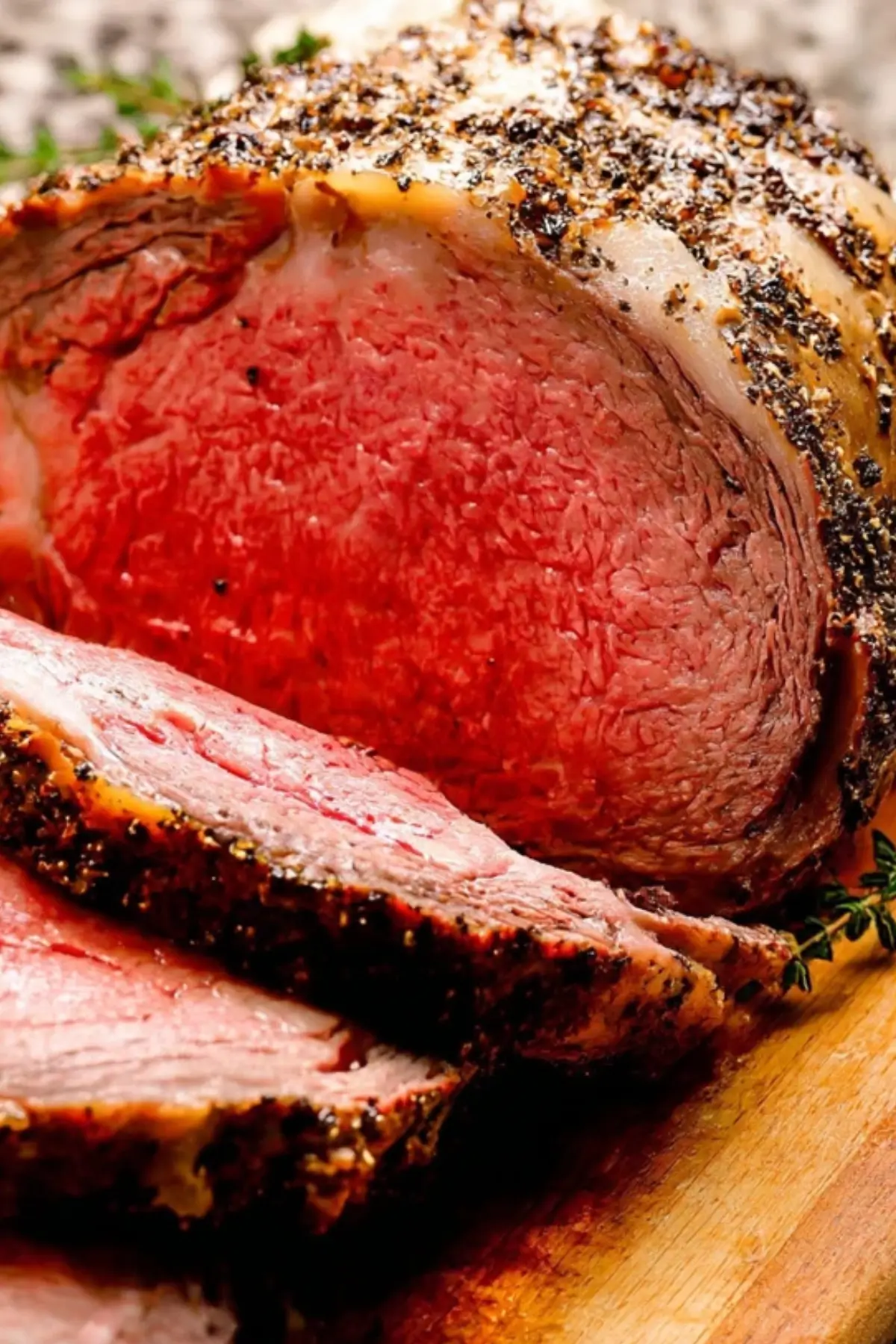
Table of Contents
Why This Prime Rib Recipe is the Best
Cooking a prime rib doesn’t have to be a daunting task. This recipe is designed to be foolproof while ensuring the roast retains its tender, melt-in-your-mouth texture. The key is dry brining, which enhances the flavor and helps to create a perfectly crisp crust. Coupled with slow roasting and the addition of butter, this technique locks in moisture, ensuring every bite is juicy and flavorful. Plus, the oven searing at high heat guarantees a golden-brown crust that’s hard to resist.
Prime Rib Ingredients You’ll Need
To prepare the best prime rib, high-quality ingredients are essential. Here’s a breakdown of what you need:
• Bone-In Prime Rib: A classic choice, bone-in roasts offer a rich flavor, and the bones help with even cooking.
• Kosher Salt: Essential for the dry brining process, salt draws moisture out, allowing for a perfectly seasoned and tender roast.
• Peppercorns: A blend of multi-color peppercorns adds a nuanced, aromatic flavor to the crust.
• Olive Oil: Used to coat the roast and help the seasoning stick to the surface.
• Garlic: Freshly minced garlic adds a fragrant depth to the rub.
• Fresh Rosemary & Thyme: These herbs contribute earthy, aromatic flavors that enhance the overall taste of the roast.
• Butter: Adds richness and moisture, ensuring that the prime rib stays juicy throughout the cooking process.
Alternative Ingredient Suggestions
If you’re missing a few ingredients, don’t worry! Here are some easy swaps:
• Herb Substitution: If you don’t have fresh rosemary or thyme, try using dried herbs or substitute with a mix of Italian seasoning.
• Butter Swap: For a lighter alternative, use olive oil instead of butter for basting.
Step-by-Step Instructions for the Perfect Prime Rib
Follow these simple steps to ensure your prime rib comes out flawless:
- Dry Brine the Prime Rib: Pat the prime rib dry with paper towels. Season generously with kosher salt, making sure to cover all sides. Let the meat rest in the fridge for 6 to 48 hours. This allows the salt to penetrate the meat, enhancing both flavor and tenderness.
- Bring to Room Temperature: About 3-5 hours before cooking, remove the prime rib from the fridge. This helps it cook more evenly.
- Prepare the Roasting Bed: In a roasting pan, arrange quartered onion, halved garlic, rosemary, and thyme. This will act as the base for the roast and add extra flavor.
- Create the Garlic Herb Pepper Spice Rub: In a bowl, combine crushed peppercorns, olive oil, garlic, rosemary, thyme, onion powder, paprika, coriander, and mustard. Rub this mixture evenly over the prime rib.
- Insert the Meat Thermometer: Place the seasoned roast bone-side down on the roasting bed. Insert a digital probe thermometer into the thickest part of the meat, making sure it doesn’t touch the bone.
- Oven Sear: Preheat the oven to 500°F (260°C). Roast the prime rib for 20 minutes to get a crispy, seared crust.
- Slow Roast: After searing, lower the oven temperature to 250°F (120°C). Continue roasting until the thermometer reads 122°F (50°C) for medium-rare. This will take about 12-15 minutes per pound.
- Add Butter: After searing, dot the prime rib with cubes of butter. This keeps the roast moist and adds an extra layer of flavor.
- Rest the Meat: Once the prime rib reaches the desired internal temperature, remove it from the oven. Let it rest, covered loosely with foil, for at least 20 minutes to allow the juices to redistribute.
Tips and Tricks for Perfect Prime Rib
To make sure your prime rib is a success, here are a few tips:
• Use a Digital Meat Thermometer: This is crucial to avoid overcooking. The thermometer ensures your roast reaches the perfect doneness.
• Don’t Skip the Dry Brine: While it might take time, dry brining is key to creating a juicy, well-seasoned roast. Even if you’re short on time, brining for just a few hours will make a difference.
• Allow the Roast to Rest: After cooking, let the prime rib rest before slicing. This helps keep the juices intact, resulting in a moist roast.
Pairing Ideas and Variations
Prime rib pairs wonderfully with a variety of sides and sauces. Here are some ideas:
• Side Dishes: Serve your prime rib with creamy mashed potatoes, roasted Brussels sprouts, or a fresh green salad for balance.
• Sauces: A classic horseradish sauce complements the richness of the prime rib. Alternatively, serve it with a red wine reduction or a simple au jus made from the pan drippings.
• Variations: For a spicy twist, you could add crushed red pepper flakes to your rub or swap out the herbs for a smoky flavor by using smoked paprika.
Conclusion
In conclusion, making the perfect prime rib doesn’t have to be complicated or intimidating. By following this step-by-step guide, you can create a juicy, tender, and flavorful roast that’s sure to impress any guest. From dry brining to slow roasting, each step ensures that your prime rib turns out beautifully every time. So next time you’re planning a special meal, reach for this recipe to make your prime rib the centerpiece of the feast. Pair it with your favorite sides and sauces, and you’ll have a meal that’s not only delicious but memorable!
Frequently Asked Questions (FAQs)
How do I know when my prime rib is done cooking?
The best way to determine when your prime rib is done is by using a digital probe meat thermometer. For medium-rare, remove the roast from the oven when the internal temperature reaches 122°F (50°C). Keep in mind that the temperature will rise by 5-7°F as the meat rests, reaching the target temperature of 129°F (54°C). If you prefer a different level of doneness, refer to the temperature chart included in the recipe for precise instructions.
Can I cook a smaller or larger prime rib using this recipe?
Yes! This prime rib recipe is highly adaptable to different sizes of roast. The key is to adjust the cooking time based on the weight of the meat. Use a digital thermometer to ensure the roast is cooked to your desired doneness, and adjust the time by approximately 12-15 minutes per pound. The recipe works equally well for a small roast or a large standing rib roast.
Can I cook prime rib in advance?
While it’s best to serve prime rib fresh, you can prep the roast ahead of time. Dry brine the meat up to 48 hours before cooking and store it in the refrigerator. You can also prepare the garlic herb pepper spice rub a day before. When you’re ready to cook, simply follow the roasting steps for a perfect prime rib.
More Relevant Recipes
- Garlic Herb Prime Rib: This flavorful garlic herb prime rib recipe takes the classic prime rib to the next level with a fragrant garlic and rosemary rub. It delivers a juicy roast with a perfect crust, making it an excellent option for anyone who loves bold herb flavors with their prime rib.
- Dutch Oven Prime Rib Roast: For a hands-off approach to cooking prime rib, this Dutch oven recipe ensures a perfectly cooked, tender roast. The slow roasting method locks in all the delicious flavors, creating a melt-in-your-mouth prime rib that’s sure to impress at any occasion.
- Rosemary Garlic Mashed Potatoes: These creamy mashed potatoes are infused with fresh rosemary and garlic, providing a savory, aromatic side dish to complement your prime rib. The perfect creamy texture and herbaceous notes make it a great pairing for any roast, adding depth to your meal.
The Ultimate Prime Rib Recipe for a Perfect Roast
- Prep Time: 6 hours (dry brining) + 4-5 hours (room temperature)
- Cook Time: 2 hours
- Total Time: 12-15 hours (including brining and resting)
- Yield: 10–14 servings 1x
- Category: Main Dish
- Method: Roasting
- Cuisine: American
- Diet: Kosher
Description
This Prime Rib recipe is a mouthwatering showstopper, with a pepper, garlic-herb studded crust and incredibly juicy, tender meat. Perfect for any special occasion or holiday gathering, it guarantees a flavorful and impressive main dish.
Ingredients
- 10-pound bone-in prime rib roast
- 2 tablespoons kosher salt (or 3 ½ tablespoons if using Diamond brand)
- 4 tablespoons unsalted butter, chopped into 9 pieces
- ¼ cup multicolor whole peppercorns (peppercorn blend)
- ¼ cup olive oil
- 1 ½ teaspoons minced rosemary leaves
- 1 teaspoon minced thyme leaves
- ¼ cup finely chopped garlic (do not use garlic press)
- 1 teaspoon onion powder
- 1 teaspoon paprika
- ½ teaspoon ground coriander
- ½ teaspoon ground mustard
- 1 yellow onion, unpeeled, quartered
- 1 head garlic, unpeeled, sliced through the equator
- 5 sprigs fresh thyme
- 3 sprigs fresh rosemary
Instructions
- Pat the meat dry with paper towels and season it with kosher salt on all sides. Refrigerate for at least 6 hours or up to 48 hours for dry brining.
- Remove the prime rib from the refrigerator about 4-5 hours before cooking to bring it to room temperature.
- Preheat the oven to 500°F (260°C) with the rack in the lower third of the oven.
- In a roasting pan, create a bed using the quartered onion, halved garlic, rosemary, and thyme.
- Crush the peppercorns in a plastic bag using a rolling pin, then mix with olive oil, rosemary, thyme, garlic, onion powder, paprika, coriander, and mustard.
- Pat the prime rib dry again, then rub it all over with the garlic herb pepper spice rub.
- Transfer the prime rib to the roasting bed, bone-side down, fat side up. Insert a digital meat thermometer into the thickest part of the roast.
- Roast at 500°F for 20 minutes to sear the crust.
- After searing, reduce the oven temperature to 250°F (120°C) and roast until the thermometer reaches 122°F (50°C) for medium-rare, about 12-15 minutes per pound.
- Remove the prime rib from the oven, dot with butter, and return it to the oven to continue roasting until the desired internal temperature is reached (129°F for medium-rare after resting).
- Rest the prime rib for at least 20 minutes before carving, allowing the juices to redistribute.
- Carve and serve with your favorite sauce or sides.
Notes
- Use a digital meat thermometer to monitor the roast’s internal temperature for perfect results.
- Dry brining the meat for several hours or overnight enhances flavor and tenderness.
- Allow the roast to rest after cooking to keep the meat juicy and flavorful.
- Prime rib can be paired with a horseradish sauce or au jus for added flavor.
Nutrition
- Serving Size: 1 slice (approx. 4 oz)
- Calories: 400
- Sugar: 0g
- Sodium: 450mg
- Fat: 28g
- Saturated Fat: 10g
- Unsaturated Fat: 15g
- Trans Fat: 1g
- Carbohydrates: 0g
- Fiber: 0g
- Protein: 38g
- Cholesterol: 120mg