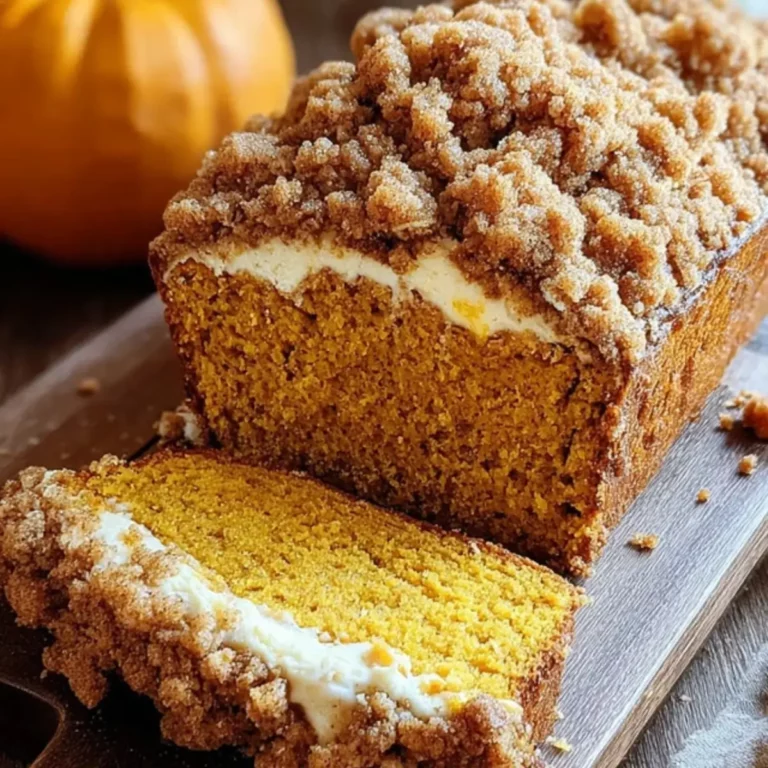
Easter Bread is a beautiful and symbolic holiday treat that brings warmth, tradition, and irresistible flavor to the table. This soft, slightly sweet bread is often braided and decorated with colorful eggs, making it a festive centerpiece for Easter celebrations. Whether you’re baking for family brunch or creating a meaningful holiday tradition, this Easter Bread recipe is easy to follow and delivers bakery-quality results at home.

Table of Contents
Why This Easter Bread Recipe Stands Out
This Easter Bread recipe combines simplicity with tradition, making it perfect for both beginner and experienced bakers. The dough is soft, fluffy, and lightly sweet, creating a comforting texture that pairs beautifully with butter or jam.
Unlike dense breads, this homemade Easter Bread has a tender crumb and golden crust. It’s enriched with eggs and sugar, giving it a rich flavor without being overly heavy. The braided design not only looks stunning but also ensures even baking.
Another reason this Easter Bread recipe shines is its versatility. You can customize it with citrus zest, sprinkles, or even a glaze to match your taste and family traditions.
Ingredients for Easter Bread
• All-purpose flour: forms the base and provides structure to the Easter Bread
• Sugar: adds sweetness and helps create a soft texture
• Active dry yeast: allows the dough to rise and become fluffy
• Warm milk: activates the yeast and enriches the dough
• Eggs: contribute to richness, color, and structure
• Butter: adds moisture and enhances flavor
• Salt: balances sweetness and strengthens the dough
• Vanilla extract: provides a subtle aromatic sweetness
• Citrus zest (optional): adds a fresh, bright flavor typical in traditional Easter Bread
• Dyed eggs: used for decoration and symbolism in Easter Bread
• Sprinkles (optional): add color and festive appeal
Alternative Ingredient Suggestions for Easter Bread
If you need to adjust this Easter Bread recipe, there are several easy substitutions.
You can replace whole milk with almond milk or oat milk for a dairy-free version. Butter can be swapped with plant-based alternatives without compromising the texture too much.
For a refined sugar-free Easter Bread, consider using honey or maple syrup, though this may slightly change the flavor and moisture.
If you want a richer flavor, try adding orange zest or lemon zest, which enhances the traditional taste of Easter Bread. Gluten-free flour blends can also work, but ensure they are designed for yeast baking.
Step-by-Step Instructions for Easter Bread
- Begin by activating the yeast. In a bowl, combine warm milk and a small amount of sugar, then sprinkle the yeast on top. Let it sit for about 5–10 minutes until it becomes foamy. This step ensures your Easter Bread rises properly.
- In a large mixing bowl, combine flour, sugar, and salt. Mix well to distribute the dry ingredients evenly for your Easter Bread dough.
- Add the eggs, melted butter, vanilla extract, and the activated yeast mixture. Stir until a soft dough begins to form.
- Transfer the dough to a floured surface and knead for about 8–10 minutes. The dough should become smooth and elastic, which is essential for a soft Easter Bread texture.
- Place the dough in a greased bowl, cover it, and let it rise in a warm place for 1–2 hours or until it doubles in size. This step is crucial for achieving light and fluffy Easter Bread.
- Once risen, punch down the dough and divide it into equal portions. Roll each portion into long ropes to prepare for braiding.
- Braid the ropes together and form a circular or oval shape. Carefully transfer the braided dough onto a baking sheet lined with parchment paper.
- Gently place dyed eggs into the braid, spacing them evenly. This is a classic feature of traditional Easter Bread.
- Cover the shaped dough and let it rise again for about 30–45 minutes until it puffs up.
- Preheat your oven to 350°F (175°C). Brush the Easter Bread with an egg wash for a shiny, golden finish.
- Bake for 25–30 minutes or until the bread is golden brown and sounds hollow when tapped. Keep an eye on it to avoid over-browning.
- Let the Easter Bread cool slightly before serving. This allows the structure to set and makes slicing easier.
Tips & Tricks for Perfect Easter Bread
To achieve the best Easter Bread, make sure your yeast is fresh and properly activated. If the yeast doesn’t foam, the bread won’t rise as expected.
Avoid adding too much flour during kneading. The dough should be slightly tacky but not sticky. This ensures your Easter Bread stays soft rather than dense.
If your kitchen is cool, let the dough rise in a slightly warm oven (turned off) to create the ideal environment.
For added flavor, brush the finished Easter Bread with a light glaze made from powdered sugar and milk. This enhances sweetness and gives it a bakery-style finish.
Store leftover Easter Bread in an airtight container at room temperature for up to two days, or refrigerate it for longer freshness.
Pairing Ideas and Variations for Easter Bread
Easter Bread pairs wonderfully with a variety of spreads and sides. Serve it with butter, honey, or fruit preserves for a simple yet satisfying treat.
For a brunch spread, pair Easter Bread with fresh fruit, scrambled eggs, or a light salad. The slightly sweet flavor complements both savory and sweet dishes.
You can also turn this Easter Bread into a dessert by adding a powdered sugar glaze or cream cheese frosting.
For variations, consider adding raisins or dried cranberries to the dough for extra texture and flavor. A cinnamon-sugar twist can also transform your Easter Bread into a more dessert-like treat.
If you prefer a savory version, reduce the sugar and incorporate herbs or cheese into the dough. This creates a unique twist on traditional Easter Bread.
The Tradition and Meaning of Easter Bread
Easter Bread holds deep cultural and symbolic meaning in many traditions. The braided shape often represents unity, faith, or the Holy Trinity, depending on cultural interpretations.
The eggs placed in the bread symbolize new life and rebirth, aligning perfectly with the themes of Easter. This makes Easter Bread more than just a recipe—it’s a meaningful part of holiday celebrations.
Different regions have their own variations of Easter Bread, from Italian Pane di Pasqua to Greek Tsoureki. Each version carries its own unique flavors and traditions while maintaining the essence of this beloved bread.
Baking Easter Bread at home allows you to connect with these traditions while creating new memories with family and friends.
Health and Nutritional Notes About Easter Bread
While Easter Bread is a treat, it also provides some nutritional benefits. Eggs contribute protein, while milk and butter offer calcium and essential fats.
You can make your Easter Bread slightly healthier by reducing sugar or using whole wheat flour for added fiber. Keep in mind that these changes may alter the texture slightly.
Portion control is key, as Easter Bread is enriched and calorie-dense. Enjoying it as part of a balanced meal ensures you can savor its flavor without overindulging.
Homemade Easter Bread also allows you to control ingredients, avoiding preservatives and artificial additives commonly found in store-bought options.
Final Thoughts on Making Easter Bread
Making Easter Bread from scratch is a rewarding experience that combines tradition, creativity, and delicious results. From kneading the dough to braiding and decorating, each step adds to the joy of baking.
This Easter Bread recipe is designed to be approachable while delivering authentic flavor and texture. Whether you stick to tradition or add your own twist, the result is a festive and flavorful bread that everyone will love.
With its soft crumb, golden crust, and symbolic design, Easter Bread is more than just a recipe—it’s a centerpiece that brings people together during a special time of year.
Conclusion: Celebrate Tradition with Homemade Easter Bread
Easter Bread is more than just a festive recipe—it’s a meaningful tradition that brings together flavor, symbolism, and celebration. With its soft texture, lightly sweet taste, and beautiful braided design, this Easter Bread is perfect for sharing with loved ones during the holiday season.
By following this easy Easter Bread recipe, you can create a homemade centerpiece that feels both special and comforting. Whether you enjoy it fresh out of the oven, paired with your favorite spreads, or customized with your own variations, Easter Bread always delivers a memorable experience.
Taking the time to bake Easter Bread from scratch adds a personal touch to your celebration and keeps cherished traditions alive. Once you try this recipe, it’s likely to become a staple in your Easter baking routine for years to come.
FAQs About Easter Bread
What makes Easter Bread different from regular bread?
Easter Bread is typically sweeter and richer than regular bread because it includes ingredients like eggs, butter, and sugar. It’s often braided and decorated with dyed eggs, making it both a symbolic and festive holiday bread.
Can I make Easter Bread ahead of time?
Yes, Easter Bread can be made ahead. You can prepare the dough the night before and let it rise slowly in the refrigerator. Bake it fresh the next day for the best texture and flavor.
How do I store leftover Easter Bread?
Store Easter Bread in an airtight container at room temperature for up to two days. For longer storage, refrigerate it or freeze slices to maintain freshness. Reheat gently before serving.
More Relevant Recipes
- Easy St Patrick’s Day Irish Soda Bread Recipe
- Sweet Glazed Easter Bread: Soft, Festive, and Perfect for Spring
- Sourdough Blueberry Lemon Focaccia Bread

Easter Bread
- Prep Time: 20 minutes
- Cook Time: 30 minutes
- Total Time: 2 hours 30 minutes
- Yield: 1 large loaf (8 servings) 1x
- Category: Dessert
- Method: Baking
- Cuisine: Italian
- Diet: Vegetarian
Description
Easter Bread is a soft, sweet, braided holiday bread enriched with eggs and butter, traditionally decorated with colorful eggs. This homemade Easter Bread recipe is fluffy, lightly sweet, and perfect for festive gatherings or Easter brunch.
Ingredients
- 4 cups all-purpose flour
- 1/2 cup granulated sugar
- 2 1/4 teaspoons active dry yeast
- 1 cup warm milk
- 3 large eggs
- 1/2 cup unsalted butter, melted
- 1 teaspoon salt
- 1 teaspoon vanilla extract
- 1 tablespoon orange or lemon zest (optional)
- 4–5 dyed raw eggs for decoration
- 2 tablespoons sprinkles (optional)
- 1 egg (for egg wash)
Instructions
- In a bowl, combine warm milk and a pinch of sugar, then add yeast. Let sit for 5–10 minutes until foamy.
- In a large bowl, mix flour, sugar, and salt.
- Add eggs, melted butter, vanilla extract, and yeast mixture. Mix until a dough forms.
- Knead the dough on a floured surface for 8–10 minutes until smooth and elastic.
- Place dough in a greased bowl, cover, and let rise for 1–2 hours until doubled in size.
- Punch down the dough and divide into equal portions. Roll into ropes.
- Braid the ropes and shape into a circle or oval. Place on a lined baking sheet.
- Add dyed eggs into the braid and cover. Let rise again for 30–45 minutes.
- Preheat oven to 350°F (175°C). Brush with egg wash.
- Bake for 25–30 minutes until golden brown. Cool before serving.
Notes
- Ensure yeast is active and foamy before mixing.
- Do not over-flour the dough to keep Easter Bread soft.
- Let the dough rise in a warm environment for best results.
- Use citrus zest for a traditional Easter Bread flavor.
- Store leftovers in an airtight container for up to 2 days.
Nutrition
- Serving Size: 1 slice
- Calories: 280
- Sugar: 10g
- Sodium: 180mg
- Fat: 9g
- Saturated Fat: 5g
- Unsaturated Fat: 3g
- Trans Fat: 0g
- Carbohydrates: 40g
- Fiber: 1g
- Protein: 6g
- Cholesterol: 70mg