Dango is a traditional Japanese dessert that features chewy rice flour balls, often served on skewers. This Easy Dango Recipe combines vibrant colors and sweet flavors, making it the perfect treat for spring festivals or any time you crave something sweet and satisfying. Whether you’re looking for a fun family activity or an interesting dessert to impress guests, this recipe has you covered.
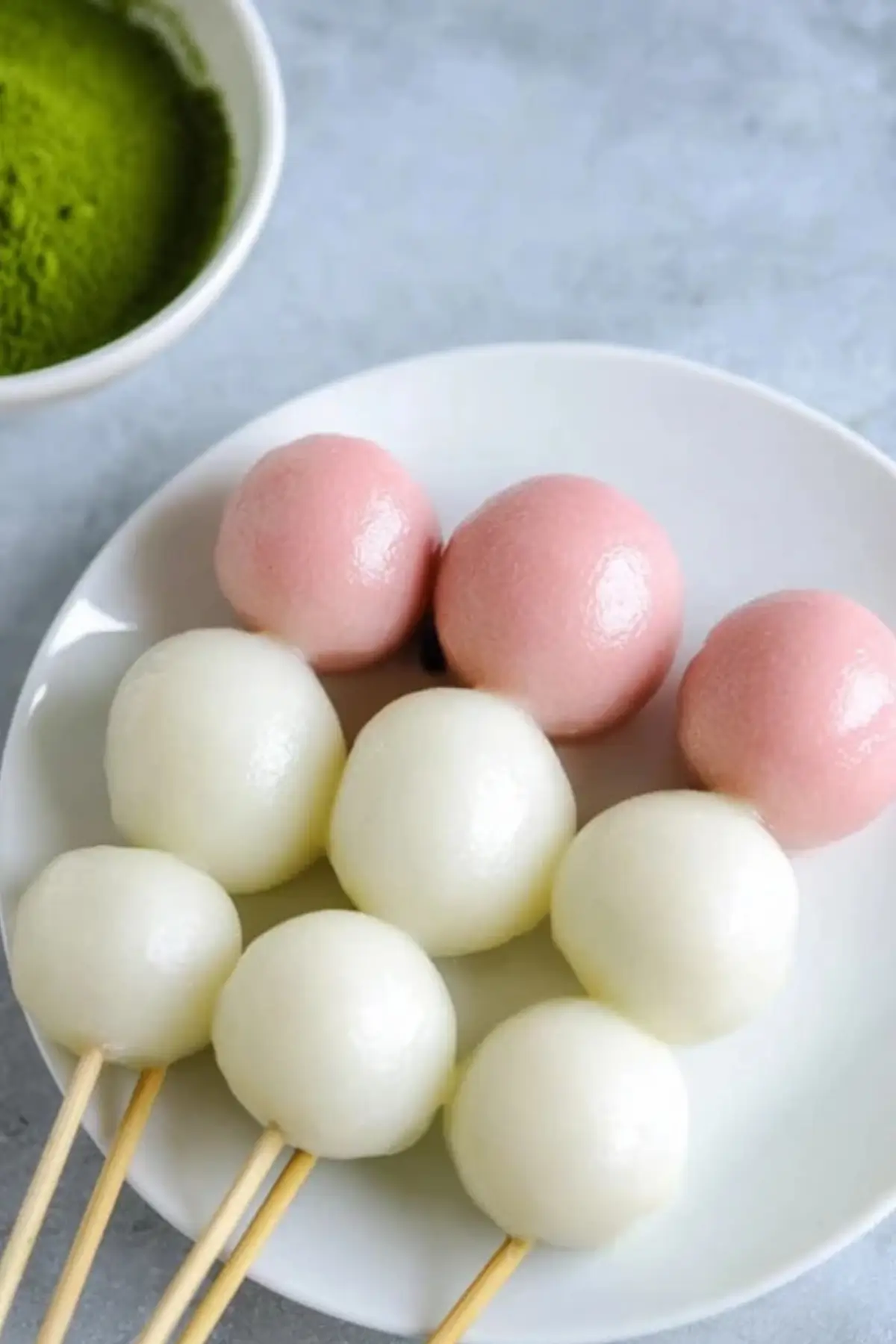
Table of Contents
Why This Dango Recipe Stands Out
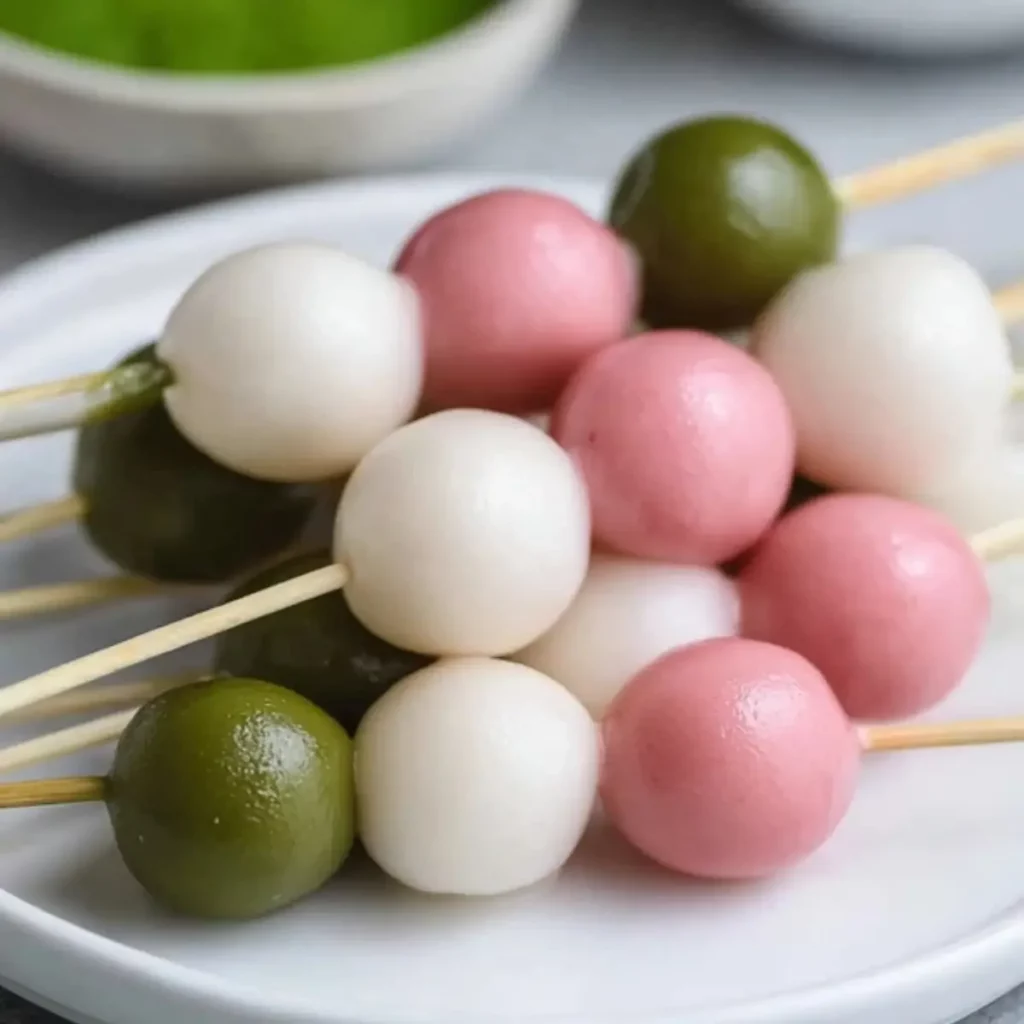
This Dango Recipe is easy to follow and requires minimal ingredients, making it perfect for beginners. With its chewy texture and sweet, subtle flavor, it is a hit with both kids and adults. The colorful presentation of this dish—typically in pink, white, and green—adds a festive touch to any meal or gathering. The combination of rice flour and matcha gives the dango a delightful texture, while the food coloring creates a cheerful, vibrant look. You can serve it as a sweet snack, a dessert after dinner, or even as part of a spring celebration.
Ingredients You’ll Need
To make this Easy Dango Recipe, you’ll need the following ingredients. Each ingredient plays a crucial role in the texture, flavor, and appearance of the dango.
• Joshinko Glutinous Rice Flour: Forms the base of the dango dough, providing the chewy texture.
• Shiratamako Glutinous Sweet Rice Flour: Adds sweetness and contributes to the dango’s soft, tender texture.
• Powdered Sugar: Optional, but recommended to sweeten the dango balls and enhance their flavor.
• Hot Water: Helps form the dough and activate the rice flours, making the texture pliable.
• Matcha Powder: For flavor and a beautiful green color that represents summer grass.
• Pink Food Coloring: Adds color, symbolizing the cherry blossoms of spring.
Alternative Ingredient Suggestions
• Silken Tofu: If you want a softer dango, consider using silken tofu instead of water. The tofu adds a silky, smooth texture to the dough.
• Natural Food Colorings: If you prefer to avoid artificial food coloring, consider using beet juice for pink or spinach powder for green to achieve a natural coloring.
Step-by-Step Instructions for Dango Recipe
- Soak the Skewers: Start by soaking 12 bamboo skewers in water. This prevents them from burning when cooking the dango.
- Prepare the Dough: In a large bowl, mix together the Joshinko and Shiratamako rice flours. Gradually add hot water while mixing. Once it begins to take shape, knead the dough with your hands until it has a smooth, soft texture, similar to play-doh.
- Divide the Dough: Split the dough into three even portions. Place each portion in a separate bowl.
- Add Color: To one portion, add one drop of pink food coloring and knead until the dough is evenly pink. In the second portion, mix one teaspoon of matcha powder with one teaspoon of water to form a paste. Add this paste to the dough and knead until the dough is green. Leave the third portion plain, which will remain white.
- Shape the Dango: Use a kitchen scale to weigh out 20-gram portions of each colored dough. Roll each portion into small, round balls. You should have about 36 balls in total—12 pink, 12 white, and 12 green.
- Cook the Dango: Bring a large pot of water to a boil. Add the white dango first. Once they rise to the surface, cook for another 2 minutes. Remove them with a slotted spoon and place them in a bowl of ice water to cool. Repeat the process with the pink and green dango, cooking them separately to avoid color bleeding.
- Assemble the Dango Skewers: Carefully skewer the dango balls, starting with the green ones, followed by the white ones, and finishing with the pink ones.
- Serve: You can enjoy your hanami dango as they are or drizzle them with a sweet soy glaze, red bean paste, or matcha paste for added flavor.
Tips for the Best Dango
• Soak the Skewers: Make sure to soak your bamboo skewers before use to prevent the dango from sticking and to make them easier to skewer.
• Measure Accurately: For the perfect texture, it’s essential to measure your ingredients precisely. A kitchen scale helps ensure that your dough balls are all the same size and that the consistency is just right.
• Use Silken Tofu: If you prefer a softer dango, replace the water with silken tofu. This results in a smooth, tender texture.
• Color Intensity: Be mindful not to overdo the food coloring. Just one drop of pink food coloring and a small amount of matcha powder are enough to achieve vibrant colors that won’t fade or intensify too much during cooking.
Pairing Ideas and Variations
Dango can be enjoyed on its own, but there are plenty of ways to enhance this dish. Consider pairing it with savory dishes like Hibachi Fried Rice or Tempura Rolls for a complete meal. You can also serve it alongside Mochi Donuts for a delightful dessert duo.
For a different take on this traditional treat, try:
• Sweet Soy Glaze: Brush the dango with a sticky soy glaze for a savory-sweet contrast.
• Red Bean Paste: A spoonful of red bean paste adds richness and depth to the sweet, chewy dango.
• Matcha Paste: Add more matcha for a deeper flavor profile and an extra touch of green.
Storage Tips
If you have leftover dango, store them in an airtight container at room temperature for up to two days. Avoid refrigerating them, as it will make them tough and chewy.
Why You Should Try This Easy Dango Recipe
This Easy Dango Recipe is a delightful dessert that is simple to make, yet impressive in both flavor and appearance. Perfect for seasonal celebrations or as a fun family activity, these chewy rice flour balls are sure to brighten your day. Whether you’re celebrating spring, craving a sweet snack, or looking to explore Japanese cuisine, this dango recipe is an easy and delicious choice!
Conclusion
This Easy Dango Recipe is a perfect way to experience a traditional Japanese treat with minimal effort. The chewy, soft texture, colorful appearance, and sweet flavors make it an enjoyable dessert for any occasion. Whether you’re celebrating spring with friends or simply indulging in a delightful treat, this recipe is sure to impress. With its simple ingredients and straightforward steps, anyone can make dango at home, no matter their skill level. Don’t forget to experiment with different toppings or serve it alongside your favorite Japanese dishes for a truly authentic experience.
FAQs About Dango Recipe
1. What is the difference between dango and mochi?
Dango and mochi are often confused due to their similar appearance, but they differ in texture and ingredients. Mochi is made from glutinous rice, while dango is made from rice flour. Mochi has a softer, stickier texture, while dango is chewy but firm. The dough for dango also includes a mixture of rice flour and sometimes sugar, which gives it a more dough-like consistency than mochi.
2. Can I make dango ahead of time?
Yes, you can make dango ahead of time. After preparing and cooking the dango, store them in an airtight container at room temperature for up to two days. Avoid refrigerating them, as this can cause them to become tough. You can also freeze dango for longer storage. Just be sure to thaw them before serving.
3. What can I serve with dango?
Dango is delicious on its own but can be served with various toppings like sweet soy glaze, red bean paste, or matcha paste for extra flavor. It also pairs wonderfully with other Japanese dishes such as Hibachi Fried Rice, Tempura Rolls, or Mochi Donuts. For a complete meal, consider adding a light soup like Shrimp Tempura Udon.
More Relevant Recipes
- Sunomono Salad Recipe – Japanese Cucumber Salad: This light and refreshing Japanese salad made from cucumbers, rice vinegar, and sugar offers a crisp, tangy flavor, similar to the fresh, vibrant appeal of dango. It’s a perfect side dish for those who love Japanese-inspired cuisine.
- Japanese-Style Spicy Tuna Salad: A delicious fusion of fresh tuna, spicy mayo, and vegetables, this dish complements the delicate flavors of dango while maintaining a Japanese flair. If you’re craving something savory and flavorful to pair with your sweet treats, this is a great choice.
- Kani Salad Recipe: This vibrant and refreshing crab salad combines sweet crab with a creamy dressing and crunchy vegetables, making it a wonderful complement to the chewy, sweet dango. The lightness and crunch of the kani salad offer a perfect contrast to the dango’s texture.
Easy Dango Recipe
- Prep Time: 20 minutes
- Cook Time: 10 minutes
- Total Time: 30 minutes
- Yield: 36 dango balls (12 skewers) 1x
- Category: Dessert
- Method: Boiling
- Cuisine: Japanese
- Diet: Vegetarian
Description
This Easy Dango Recipe is a delightful Japanese dessert featuring colorful rice flour balls that are sweet, chewy, and perfect for any celebration. With just a few ingredients and simple steps, you can make this traditional treat at home.
Ingredients
- 150g Joshinko glutinous rice flour
- 200g Shiratamako glutinous sweet rice flour
- 75g Powdered sugar (optional)
- 1 1/3 cups Hot water
- 1 teaspoon Matcha powder
- 1 drop Pink food coloring (gel type)
Instructions
- Soak the bamboo skewers in water to prevent them from burning during cooking.
- Mix the Joshinko and Shiratamako rice flours together in a large bowl.
- Add hot water gradually and mix the dough with a spoon. Once it starts to form, knead it by hand until smooth and pliable.
- Divide the dough into three equal portions and place them into separate bowls.
- Add one drop of pink food coloring to one portion and knead it in until the dough is uniformly pink.
- For the green dough, mix the matcha powder with a teaspoon of water to create a paste, then knead it into the second portion of dough.
- Leave the third portion of dough plain for the white color.
- Shape the dough into 20g balls, using a kitchen scale for accuracy.
- Boil a large pot of water and cook the white dango balls first. Once they float to the top, cook for another 2 minutes and transfer to a bowl of ice water.
- Repeat the process with the pink and green dough balls, ensuring to cook each color separately to avoid color mixing.
- Skewer the dango balls onto bamboo skewers, starting with green, followed by white, and ending with pink.
- Serve the dango as is, or drizzle with sweet soy glaze, red bean paste, or matcha paste for extra flavor.
Notes
- Soak the skewers before use to make it easier to skewer the dango.
- Use a kitchen scale for accurate measurements of both dough and individual balls.
- If you want a softer texture, substitute the water with silken tofu.
- Only add one drop of food coloring, as the color intensifies during cooking.
- Cook the dango in order: white, pink, then green, to prevent color bleeding into the water.
Nutrition
- Serving Size: 1 skewer (3 dango balls)
- Calories: 168 kcal
- Sugar: 7g
- Sodium: 1mg
- Fat: 1g
- Saturated Fat: 1g
- Unsaturated Fat: 1g
- Trans Fat: 0g
- Carbohydrates: 38g
- Fiber: 1g
- Protein: 2g
- Cholesterol: 1mg