Shokupan, a beloved staple in Japanese baking, is renowned for its soft, pillowy texture and slightly sweet flavor. Known as Japanese milk bread, this versatile loaf features a golden, crispy crust and a fluffy interior that stays moist for longer. The secret to its irresistible texture lies in the Yudane method, a technique that transforms simple bread ingredients into a loaf of pure delight. Whether you enjoy it as a sandwich or simply with butter, Shokupan is a must-try recipe for any home baker.
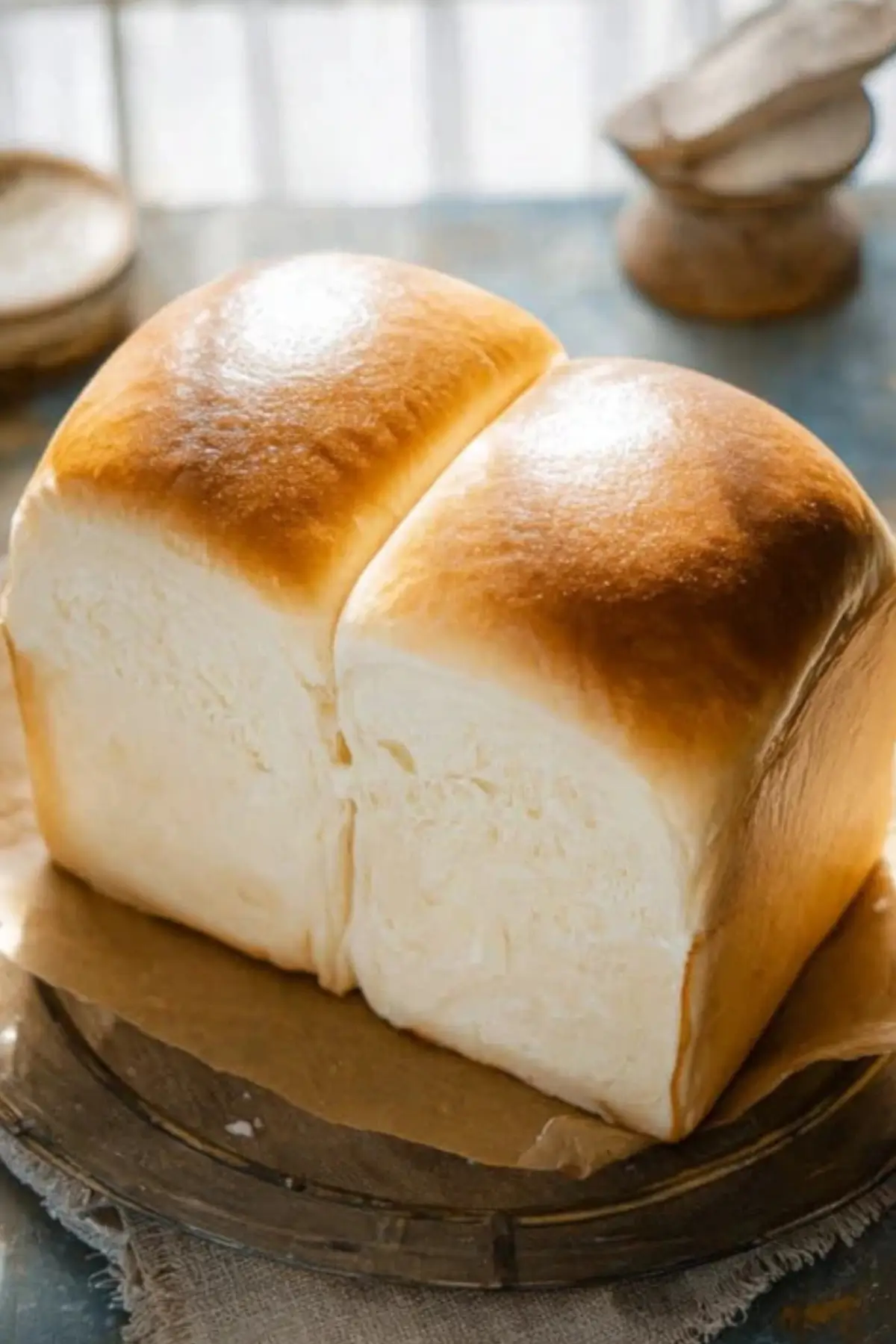
Table of Contents
What Makes Shokupan So Special?
Shokupan stands out among other types of bread due to its unique texture and flavor. The bread’s softness comes from the Yudane method, which involves combining hot water and bread flour to create a gel-like mixture that helps retain moisture in the dough. This technique not only ensures a fluffy texture but also extends the bread’s freshness. Unlike many bread recipes, Shokupan’s slight sweetness and airy structure make it the perfect choice for a wide range of recipes, from sandwiches to bread pudding.
Ingredients for Shokupan
To make Shokupan, you’ll need a few basic ingredients that work together to create the perfect texture and flavor. Here’s what you’ll need:
• Bread Flour: Provides the structure and elasticity for the dough, ensuring a fluffy and light loaf.
• Milk: Adds richness and enhances the softness of the bread.
• Sugar: Contributes a subtle sweetness to the bread, balancing the savory elements.
• Instant Yeast: A fast-acting yeast that helps the dough rise quickly and evenly.
• Unsalted Butter: Adds richness and helps create a tender crumb in the bread.
• Salt: Balances the sweetness and helps to develop flavor.
• Boiling Water: Used to prepare the Yudane mixture, it helps gelatinize the starches, contributing to the bread’s moisture and texture.
Alternative Ingredient Suggestions
If you’re looking to make a variation of Shokupan, here are some alternatives:
- Plant-based Milk: If you’re dairy-free, almond milk or soy milk can replace whole milk without compromising the texture of the bread.
- Coconut Milk: For a tropical twist, coconut milk can provide a unique flavor profile while keeping the bread soft and moist.
- Olive Oil: If you don’t have unsalted butter, you can substitute with olive oil, although it may slightly alter the flavor.
Step-by-Step Instructions for Making Shokupan
Making Shokupan might take a little time, but the result is well worth the effort. Here’s how you can prepare this delicious bread at home:
- Make the Yudane: Start by preparing the Yudane the night before. Combine 50g of bread flour with 40ml of boiling water. Mix well and allow it to cool. Once cooled, wrap it in plastic wrap and refrigerate overnight.
- Mix the Dough: In a stand mixer bowl, combine 150ml of milk, 15g of sugar, 10g of unsalted butter, and 3g of instant yeast. Tear the Yudane into small pieces and add it to the bowl. Add 200g of bread flour and 5g of salt.
- Knead the Dough: Attach the dough hook to your stand mixer and knead the dough on low speed until combined. Increase the speed and knead for about 20 minutes, or until the dough is smooth and elastic.
- First Rise: Shape the dough into a round ball and place it in a greased bowl. Cover it with plastic wrap and let it rise for 45-60 minutes, or until it doubles in size.
- Shape the Dough: Punch down the dough to remove air bubbles, then divide it into two equal parts. Roll each portion into a ball and let them rest for 20 minutes.
- Form the Loaf: Roll each dough portion into a rectangle. Fold the sides toward the center, then roll it up tightly. Place the rolled dough into a greased loaf pan, seam side down.
- Second Rise: Cover the loaf with a wet cloth and let it rise for another 30 minutes, or until it fills the pan.
- Bake: Preheat the oven to 365°F (185°C). Once the dough has risen, bake for 25-30 minutes, or until the bread is golden brown. Allow it to cool on a rack before slicing.

Tips & Tricks for Perfect Shokupan
To ensure your Shokupan turns out perfectly every time, here are some helpful tips:
- Yudane Resting Time: The longer you allow the Yudane to rest, the better the bread will turn out. Ideally, prepare it the night before for the best texture.
- Ideal Rising Temperature: The dough should rise at a temperature of around 86°F (30°C). If your kitchen is cold, use a warm oven or a styrofoam box with warm water in cups to create the perfect environment.
- Avoid Over-Kneading: While kneading is important, be sure not to overwork the dough, as this can lead to a tough texture.
- Slice After Cooling: This bread is incredibly soft, so it’s best to wait until it has cooled completely before slicing.
Pairing Ideas and Variations
Shokupan is incredibly versatile and can be paired with various fillings, spreads, or toppings. Here are some ideas to enhance your Shokupan experience:
- Japanese Egg Sandwich: Use thick slices of Shokupan to make a creamy tamago sando, a popular Japanese egg sandwich.
- Fruit Sandwich: For a sweet treat, try a fruit sando, where fresh fruit and whipped cream are sandwiched between slices of this soft bread.
- Grilled Cheese: Shokupan’s softness makes it the perfect choice for a comforting grilled cheese sandwich.
- Bread Pudding: If you have leftover Shokupan, turn it into a decadent bread pudding with custard and a touch of vanilla.
Why You Should Try Shokupan
This Japanese milk bread is not just a loaf of bread — it’s an experience. With its fluffy texture and sweet, milky flavor, Shokupan is perfect for a variety of recipes or enjoyed on its own. Whether you’re making a sandwich or simply toasting a slice with butter, Shokupan’s delicate flavor and lightness are sure to impress.
Shokupan isn’t just another bread recipe; it’s a Japanese baking tradition that brings comfort and joy with every slice.
Conclusion
Shokupan, the beloved Japanese milk bread, is a delightful treat that will elevate any meal or snack. With its soft, fluffy texture and subtly sweet flavor, this bread stands out in the world of baking. By mastering the Yudane method, you can create this perfect loaf at home, ensuring that every slice is as light and moist as the last. Whether you’re enjoying it with a simple spread or using it for creative sandwich ideas, Shokupan offers a delicious experience every time.
Making Shokupan might take some time and patience, but the results are well worth the effort. Once you’ve tasted the lightness and fluffiness of this bread, you’ll never want to go back to regular store-bought loaves. Try it today and enjoy a slice of Japan right in your kitchen!
FAQs about Shokupan
Can I Make Shokupan Without a Stand Mixer?
Yes, you can! While a stand mixer makes the process easier, you can also knead the dough by hand. It will take more time and effort, but the results will still be delicious. Just make sure to knead until the dough becomes smooth and elastic.
Can I Use All-Purpose Flour Instead of Bread Flour for Shokupan?
You can use all-purpose flour in place of bread flour, but the texture may not be as soft and fluffy. Bread flour contains more protein, which helps create the chewy texture that makes Shokupan so unique. If you do use all-purpose flour, the bread may not rise as high.
How Do I Store Leftover Shokupan?
Shokupan stays fresh for a few days when stored at room temperature in an airtight container. If you want to keep it for longer, you can slice the bread and freeze it in individual pieces. This will help preserve its texture and freshness. To thaw, simply leave the slices out for a few hours or toast them.
More Relevant Recipes
- Sunomono Salad (Japanese Cucumber Salad): This refreshing Japanese side dish is a perfect pairing with Shokupan. Made with thinly sliced cucumbers, rice vinegar, and a touch of sugar, it brings a tangy and light balance to the rich, fluffy bread. It’s a great complement for a light lunch or as an appetizer for a Japanese-themed dinner.
- Japanese Style Spicy Tuna Salad: If you love Japanese flavors, this spicy tuna salad is an excellent choice to pair with Shokupan. The mix of creamy mayonnaise, spicy tuna, and a bit of heat gives it an exciting contrast to the soft texture of the bread. Enjoy it as a filling sandwich or a quick snack.
- Dutch Oven Sourdough Bread: For those who enjoy making bread from scratch, this Dutch oven sourdough recipe provides a rustic and crusty option that contrasts beautifully with Shokupan’s soft texture. The tangy flavor of sourdough pairs wonderfully with light spreads or cheeses for a delightful experience.

Shokupan Recipe
- Prep Time: 2 hours
- Cook Time: 30 minutes
- Total Time: 2 hours 30 minutes
- Yield: 1 loaf 1x
- Category: Bread
- Method: Baking
- Cuisine: Japanese
- Diet: Vegetarian
Description
Shokupan, also known as Japanese milk bread, is a soft, fluffy, and slightly sweet loaf made using the Yudane method. This technique results in a bread that stays moist longer and has a pillowy texture, perfect for sandwiches, toast, or enjoying on its own.
Ingredients
- 50g Bread flour (for Yudane)
- 40ml Boiling water
- 150ml Milk (room temperature)
- 15g Sugar
- 3g Instant dry yeast
- 10g Unsalted butter (room temperature)
- 200g Bread flour
- 5g Salt
Instructions
- Make Yudane the night before. Place bread flour in a bowl and add boiling water. Mix well and let it cool. Wrap with plastic wrap and refrigerate overnight.
- In a stand mixer, combine 150ml of milk, sugar, butter, and yeast. Tear the Yudane into small pieces and add it to the bowl.
- Add the 200g of bread flour and 5g of salt to the mixer. Attach the dough hook and knead at low speed until combined.
- Increase the speed and knead for 20 minutes until the dough is smooth and elastic.
- Shape the dough into a ball and place it in a greased bowl. Cover with plastic wrap and allow it to rise for 45-60 minutes, or until it doubles in size.
- Punch down the dough and divide it into two equal pieces. Roll them into balls and let them rest for 20 minutes.
- Roll each dough piece into a rectangle. Fold the sides toward the center, then roll up the dough tightly.
- Place the rolled dough into a greased loaf pan, seam side down. Cover with a wet cloth and let it rise for another 30 minutes.
- Preheat the oven to 365°F (185°C). Bake for 25-30 minutes or until golden brown. Let the bread cool on a rack before slicing.
Notes
- The Yudane method ensures a soft and moist bread that lasts longer than typical loaves.
- If you don’t have a stand mixer, you can knead the dough by hand, but it will take longer.
- For best results, allow the Yudane to rest overnight to improve the bread’s texture.
- Let the bread cool completely before slicing to avoid squashing the loaf.
Nutrition
- Serving Size: 1 slice (approximately 2cm thick)
- Calories: 150 kcal
- Sugar: 6g
- Sodium: 240mg
- Fat: 5g
- Saturated Fat: 2g
- Unsaturated Fat: 2g
- Trans Fat: 0g
- Carbohydrates: 24g
- Fiber: 1g
- Protein: 4g
- Cholesterol: 10mg