Sourdough sandwich bread is a delightful homemade bread that combines the tangy goodness of sourdough with a soft, airy texture perfect for your daily sandwich needs. This easy, no-knead recipe is perfect for anyone looking to make their own bread at home, especially if you want a loaf that’s softer than traditional sourdough. Whether you’re using it for grilled cheese, peanut butter sandwiches, or avocado toast, this bread will elevate your meals with its rich, subtle flavor and light, fluffy texture.
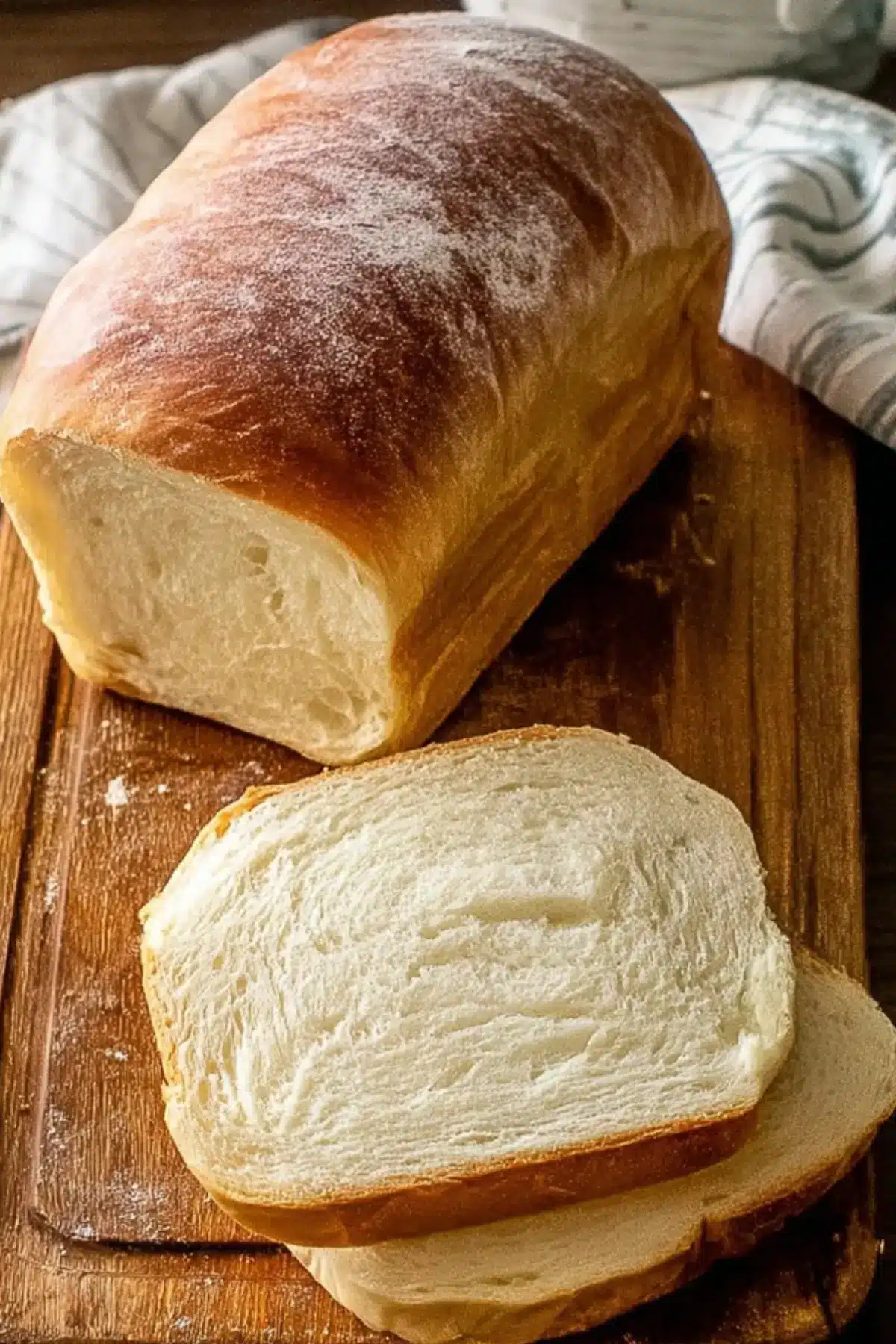
Table of Contents
Why You’ll Love This Sourdough Sandwich Bread
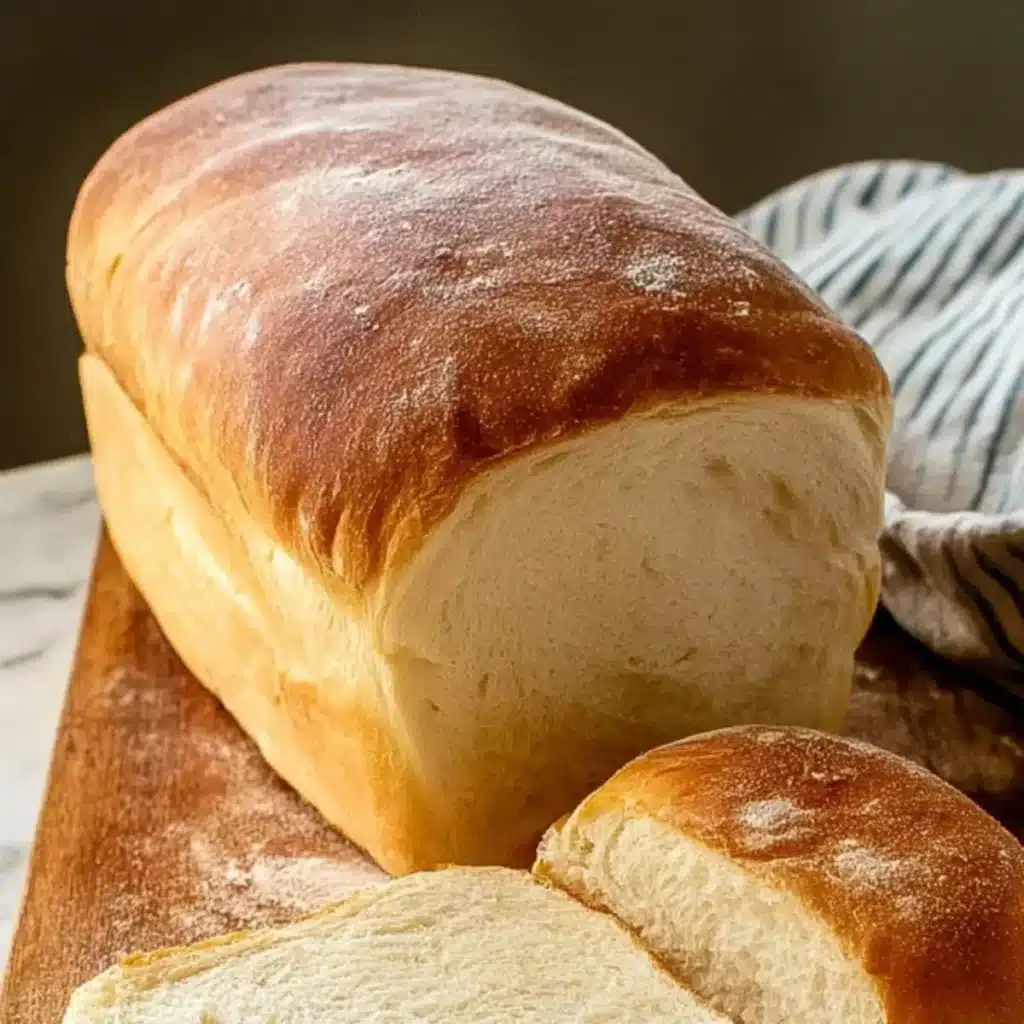
This sourdough sandwich bread is a game-changer for anyone who loves fresh, homemade bread. Unlike traditional sourdough loaves, which often have a hard, chewy crust, this recipe is baked in a loaf pan for a soft, tender exterior. The texture is light and airy, making it ideal for sandwiches. Best of all, this recipe requires no kneading, making it both beginner-friendly and incredibly convenient for busy home bakers. The flavor is subtly sour, giving it that signature sourdough tang without being overwhelming.
Ingredients
To make this sourdough sandwich bread, you’ll need just a handful of simple ingredients:
• Active Sourdough Starter: This is the star of the recipe. Use a mature starter that’s been fed 12-24 hours before you begin.
• Bread Flour: Offers a higher protein content for a fluffier loaf. You can substitute it with all-purpose flour if necessary.
• Sugar: Adds a hint of sweetness. You can substitute it with honey for a different flavor profile.
• Warm Water: Helps activate the starter and dissolve the sugar.
• Olive Oil: Adds moisture and tenderness to the bread.
• Salt: Enhances the bread’s flavor and balances out the other ingredients.
Alternative Ingredient Suggestions
• Whole Wheat Flour: For a slightly denser, heartier loaf, you can replace half of the bread flour with whole wheat flour.
• Honey: If you’re looking for a slightly more complex flavor, substitute sugar with honey to add a touch of natural sweetness.
Step-by-Step Instructions
- Feed the Starter: Begin by feeding your sourdough starter 12-24 hours before starting the recipe. Make sure it’s active and bubbly.
- Mix the Dough: In a large mixing bowl, combine the starter with warm water, sugar, flour, olive oil, and salt. Stir until the dough becomes shaggy and sticky.
- Rest the Dough: Cover the bowl with a damp cloth and allow the dough to rest for 30-45 minutes.
- Stretch and Fold: After the resting period, transfer the dough to a lightly floured surface. Perform a series of stretch and folds to develop the dough’s structure.
- Overnight Fermentation: Cover the dough and let it ferment at room temperature for 8-10 hours, or overnight.
- Shape the Dough: The next morning, remove the dough from the bowl, roll it into a log shape, and rest it for about 10 minutes.
- Prepare for Baking: Grease a 9×5-inch loaf pan and place the dough inside, seam side down. Let it rise for 1-2 hours, or until it’s nearly doubled in size.
- Bake: Preheat your oven to 375ºF (190ºC). Bake the bread for about 40 minutes, until the top is golden brown and the loaf sounds hollow when tapped.
- Cool: Allow the bread to cool in the pan for 10 minutes before removing it and transferring to a wire rack. Let it cool completely before slicing.
Tips & Tricks
• Temperature Control: Sourdough fermentation relies heavily on temperature. If your kitchen is cold, place the dough in a warm area, such as an oven with the light on.
• Checking for Doneness: Tap the top of the loaf to see if it sounds hollow. If it does, it’s done! You can also use a thermometer to check the internal temperature, which should be between 195-200°F (90-93°C).
• Moisture Control: For a soft crust, avoid storing your sourdough bread in the fridge. Keep it in a plastic bread bag or wrap it in a cloth to maintain its moisture.
Pairing Ideas and Variations
This sourdough sandwich bread is versatile enough for a variety of uses. Here are some delicious pairing ideas:
• Grilled Cheese: A classic choice, with melted cheese between two slices of sourdough sandwich bread.
• Avocado Toast: Spread mashed avocado on toasted slices and top with a sprinkle of salt and pepper for a healthy snack.
• BLT Sandwich: Layer crispy bacon, fresh tomatoes, and lettuce on slices of sourdough for a hearty lunch.
Storage Tips
Store any leftover sourdough sandwich bread in a plastic bag at room temperature for up to 5 days. If you want to keep it fresh longer, freeze the bread in an airtight container. It can stay frozen for up to 3 months. To defrost, simply let it sit at room temperature.
Additional Notes
Sourdough bread is a fun and rewarding baking project. The fermentation process takes time, but the result is a soft, slightly tangy loaf that is perfect for sandwiches. With a bit of patience and care, you’ll be able to make your own sourdough sandwich bread at home, eliminating the need for store-bought options. This recipe can be adjusted based on your personal taste, and it’s a great way to enjoy the natural flavors of sourdough in a more familiar form.
This no-knead sourdough sandwich bread is the ideal recipe for both seasoned bakers and newcomers to the world of sourdough. With just a few ingredients and simple steps, you can create a loaf that’s perfect for everything from casual lunches to gourmet sandwiches. Try it today and discover just how easy it is to make delicious homemade bread!
Conclusion
In conclusion, making sourdough sandwich bread at home is both a satisfying and rewarding experience. The no-knead method, combined with the slow fermentation process, results in a soft, airy loaf with just the right amount of tang. Whether you’re using it for everyday sandwiches or special meals, this bread offers both versatility and flavor. With easy-to-follow instructions, you can enjoy freshly baked sourdough bread in your kitchen, bringing the joys of homemade bread to your family. The best part? It’s not as complicated as you might think, and the results are so much better than anything you’ll find in the store.
So, gather your ingredients, feed your sourdough starter, and get ready to bake a loaf of bread that will have your kitchen smelling irresistible. Happy baking!
FAQ
1. Can I use all-purpose flour instead of bread flour?
Yes, you can substitute all-purpose flour for bread flour. However, bread flour’s higher protein content creates a fluffier and airier loaf, which is perfect for sandwich bread. If you use all-purpose flour, the bread may be slightly denser.
2. How can I tell if my dough has risen enough overnight?
The dough should double in size overnight, and you’ll see bubbles on the surface. You can also check by gently pressing your finger into the dough. If the indentation remains, the dough is ready for the next step. Ensure your dough is kept in a warm, draft-free area to ensure proper fermentation.
3. Can I make this recipe without a sourdough starter?
Unfortunately, this recipe relies on a sourdough starter for fermentation. If you don’t have a starter, you can make one at home, or alternatively, you can use a yeast-based sandwich bread recipe if you’re looking for a quicker alternative.
More Relevant Recipes
Print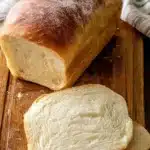
Sourdough Sandwich Bread Recipe
- Prep Time: 15 minutes
- Cook Time: 40 minutes
- Total Time: 10-12 hours (including fermentation)
- Yield: 1 loaf 1x
- Category: Bread
- Method: Baking
- Cuisine: American
- Diet: Vegetarian
Description
This Sourdough Sandwich Bread recipe produces a soft, airy loaf with a subtle tang, perfect for sandwiches. With a no-knead method and overnight fermentation, it is easy to make and delivers great flavor and texture. This bread is perfect for grilled cheese, BLTs, or any sandwich of your choice.
Ingredients
- 1/3 cup (65g) active sourdough starter (fed 12–24 hours prior)
- 1 1/3 cups (300g) warm water (95ºF to 100ºF)
- 1/4 cup (56g) granulated sugar (or 2 rounded tablespoons honey)
- 3 1/2 to 4 cups (500g) bread flour (or all-purpose flour)
- 1 1/2 tablespoons (20g) extra-virgin olive oil
- 2 teaspoons (9g) salt
Instructions
- Feed your sourdough starter 12-24 hours before beginning the recipe.
- In a large bowl, combine the starter with warm water and sugar, stirring until dissolved.
- Mix in flour, olive oil, and salt, and stir with a dough whisk until a thick, shaggy dough forms.
- Use floured or wet hands to finish mixing the dough until most of the flour is absorbed.
- Cover the bowl with a damp towel and let the dough rest for 30-45 minutes.
- Perform stretch and folds on the dough several times, then return it to the bowl to rise overnight (8-10 hours).
- After the rise, remove the dough from the bowl, roll it into a log shape, and let it rest for 10 minutes.
- Prepare a 9×5-inch loaf pan by greasing it with non-stick spray, then place the dough seam side down in the pan.
- Cover and let the dough rise for 1-2 hours, or until it doubles in size.
- Preheat the oven to 375ºF (190ºC). Bake the bread for 40 minutes or until golden brown and hollow when tapped.
- Remove the bread from the pan and let it cool on a wire rack for at least 1 hour before slicing.
Notes
- For a fluffier loaf, use bread flour instead of all-purpose flour.
- If you’re in a cooler environment, place the dough in a warm area (such as an oven with the light on) to help the fermentation process.
- If you don’t have a sourdough starter, you can use a store-bought starter or make one yourself with a 5-day process.
- For best results, store the bread at room temperature in a plastic bread bag for up to 5 days or freeze for longer storage.
Nutrition
- Serving Size: 1 slice (approximately 1/2 inch thick)
- Calories: 215
- Sugar: 2g
- Sodium: 181mg
- Fat: 3g
- Saturated Fat: 1g
- Unsaturated Fat: 2g
- Trans Fat: 0g
- Carbohydrates: 40g
- Fiber: 1g
- Protein: 6g
- Cholesterol: 0mg