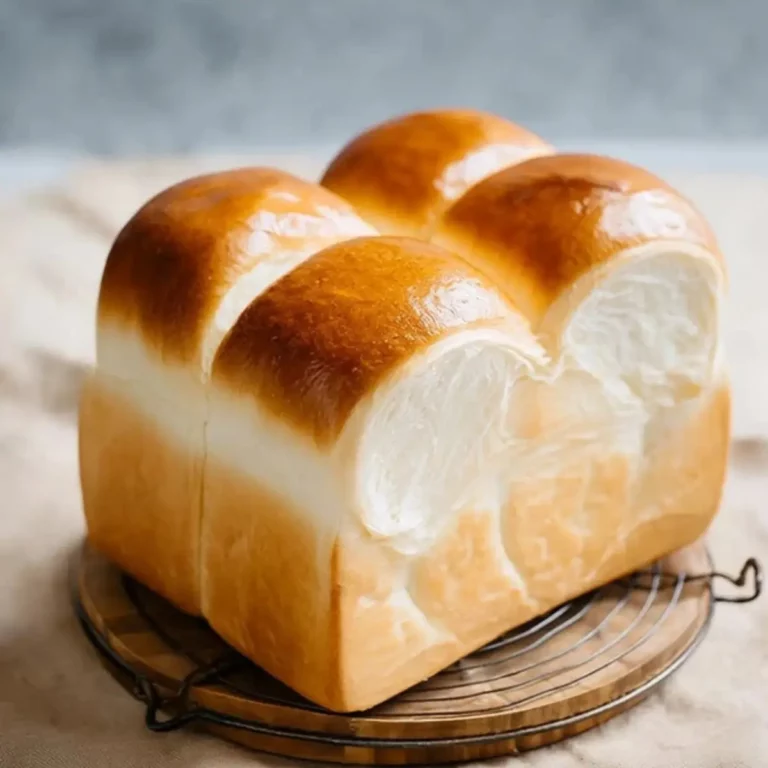
Tsoureki, a beloved Greek Easter bread, is a treat that brings comfort and tradition to your table. Its soft, fluffy texture, braided form, and delightful aroma make it an essential part of Greek Easter celebrations. With its unique blend of flavors from mahleb and mastiha, Tsoureki is a flavor-packed bread that goes beyond just being a holiday dish—it’s perfect for any occasion. Let’s dive into this easy-to-follow recipe that will have your kitchen smelling divine.
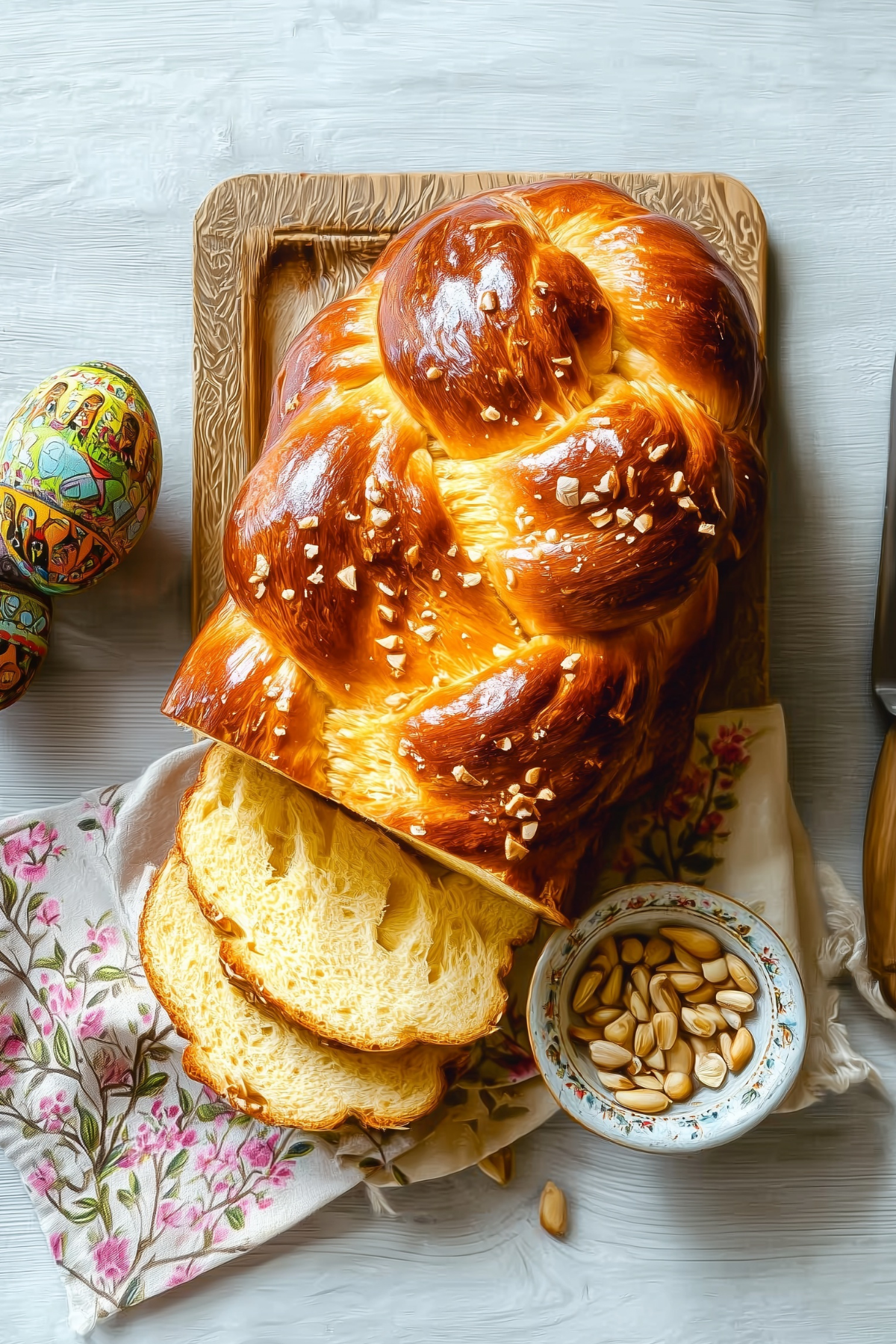
Table of Contents
Why Tsoureki is a Must-Try Recipe
Tsoureki is more than just a bread; it’s a celebration in every bite. Known for its light, airy texture and subtle sweetness, this bread is a staple in Greek homes, especially around Easter. The addition of mahleb and mastiha gives Tsoureki its signature taste that sets it apart from other braided breads like Challah. It’s a unique experience that brings families together, whether you’re enjoying it fresh out of the oven or as part of a breakfast spread.
Tsoureki Ingredients
To make a traditional Tsoureki, you’ll need the following ingredients, each contributing to the bread’s softness, sweetness, and aromatic charm:
- White bread flour: Provides the structure for the dough, giving Tsoureki its signature fluffiness.
- Sugar and salt: Adds a touch of sweetness and balances the flavor.
- Rapid-rise yeast: Ensures a fast and easy rise without the need for activation, making the process smoother.
- Ground mastiha: Adds a pine-like, resinous flavor that’s distinctive and aromatic.
- Mahleb (or mahlepi): This cherry kernel gives the bread a subtle almond-like flavor.
- Orange zest: Optional, but adds a citrusy freshness to the bread.
- Eggs: Adds richness and helps with the structure of the dough.
- Milk: Helps hydrate the dough and provides a tender crumb.
- Unsalted butter: For a soft, rich texture.
- Flaked almonds: A lovely topping that adds crunch and visual appeal.
Alternative Ingredient Suggestions
If you’re missing some ingredients, don’t worry! There are easy swaps to maintain the spirit of Tsoureki:
- Mahleb replacement: If you can’t find mahleb, try a few drops of almond extract for a similar flavor.
- Mastiha alternative: In the absence of mastiha, a little vanilla extract can provide a sweet aromatic flavor.
- Non-dairy option: Substitute the milk with almond or oat milk for a dairy-free version of Tsoureki.
Step-by-Step Instructions
Making Tsoureki may seem complex, but with these simple steps, you’ll be able to bake this traditional Greek Easter bread with ease.
- Prepare the dry ingredients: In a large bowl, mix the flour, yeast, sugar, salt, mahleb, and ground mastiha. Stir briefly to combine.
- Add wet ingredients: Add the eggs, milk, melted butter, and optional orange zest to the dry ingredients. Mix until the dough begins to form.
- Knead the dough: Using a stand mixer or your hands, knead the dough until it becomes smooth and elastic. It should feel slightly sticky but not overly wet.
- First rise: Place the dough in a lightly greased bowl, cover with a clean kitchen towel, and let it rise for about an hour or until it doubles in size.
- Shape the dough: Punch down the dough and divide it into three equal pieces. Shape each piece into a rope and braid them loosely together, tucking in the ends.
- Second rise: Cover the braided dough and let it rise again for 60-90 minutes, or until it becomes plump and puffy.
- Preheat the oven: Preheat your oven to 350°F (180°C). Brush the dough with an egg wash and sprinkle with flaked almonds for extra texture.
- Bake: Bake for 40-45 minutes or until golden brown and sounding hollow when tapped on the bottom.
- Cool and serve: Allow the bread to cool on a wire rack before slicing. Enjoy your Tsoureki with butter or jam!
Tips & Tricks for Perfect Tsoureki
- Temperature matters: If your kitchen is cool, try placing the dough in a warm spot (like an oven with just the light on) to help it rise faster.
- Don’t rush the second rise: Letting the dough rise properly ensures a soft, airy texture in the final loaf.
- Check for doneness: To ensure your Tsoureki is fully baked, tap the bottom of the loaf. If it sounds hollow, it’s ready!
Pairing Ideas and Variations
Tsoureki is perfect on its own, but you can enhance it further with these ideas:
- For a festive twist: Add colored sprinkles or a hard-boiled egg dyed red, as is traditionally done in Greek Easter celebrations.
- Spicy variation: Add ground cinnamon or nutmeg to the dough for a warm, spicy flavor that’s perfect for fall.
- Make-ahead tip: Tsoureki keeps well for several days wrapped in a clean towel. For even longer storage, freeze slices and toast them directly from the freezer.
Why You Should Make Tsoureki Today
Whether you’re baking for a special occasion like Easter or simply want to indulge in something unique, Tsoureki offers a delightful experience. Its rich flavor and fluffy texture make it a versatile bread you can enjoy with a variety of spreads or as part of your favorite meals. Give this traditional Greek Easter bread a try and elevate your baking repertoire!
Conclusion: Why Tsoureki is Worth the Effort
Baking Tsoureki is not just about creating a delicious loaf of bread—it’s about embracing a piece of Greek tradition that brings joy to the table. With its soft, fluffy texture and aromatic spices, Tsoureki is perfect for holiday celebrations, family gatherings, or simply as a special treat to enjoy throughout the week. Once you’ve tried making this bread, it’s bound to become a family favorite, passed down through generations. The combination of sweet, fragrant flavors from ingredients like mahleb and mastiha sets this bread apart from others, making it an unforgettable experience for anyone who takes a bite. So, roll up your sleeves, gather the ingredients, and indulge in the art of baking Tsoureki today!
Frequently Asked Questions (FAQs)
Can I make Tsoureki without mahleb?
Yes, while mahleb is an important ingredient that adds a distinct flavor, you can substitute it with a few drops of almond extract for a similar almond-like aroma. While it won’t be an exact match, your Tsoureki will still taste wonderful.
How long does Tsoureki stay fresh?
Tsoureki stays fresh for up to 3-4 days if stored in an airtight container at room temperature. To keep it fresher for longer, you can wrap the bread tightly and freeze it. When ready to eat, simply toast it or warm it up in the oven.
Can I make Tsoureki ahead of time for Easter?
Absolutely! You can prepare Tsoureki the day before and store it in an airtight container. If you prefer to bake it ahead of time, you can also freeze the dough after the first rise, allowing you to bake it fresh when needed. This makes it a great option for busy holiday preparations.
More Relevant Recipes
Print
Tsoureki
- Prep Time: 1 hour 30 minutes
- Cook Time: 40–45 minutes
- Total Time: 2 hours 30 minutes
- Yield: 1 loaf 1x
- Category: Bread
- Method: Baking
- Cuisine: Greek
Description
Tsoureki is a traditional Greek Easter bread, known for its soft, fluffy texture and aromatic flavor. This sweet, braided bread is flavored with mahleb, mastiha, and orange zest, making it a unique and delicious treat perfect for any occasion, particularly Greek Easter.
Ingredients
- 500g white bread flour: Provides structure and fluffiness to the bread.
- 1 cup sugar: Adds sweetness to the dough.
- 1 tsp salt: Balances the flavor of the bread.
- 1 tsp rapid-rise yeast: Ensures quick rising of the dough.
- 1 tsp ground mastiha: Adds a resinous, pine-like flavor.
- 1 tsp ground mahleb: Contributes a subtle almond-like taste.
- 1 tbsp orange zest (optional): Adds a fresh, citrusy flavor.
- 2 large eggs: Adds richness and helps with dough structure.
- 1 cup whole milk: Hydrates the dough and gives it a tender crumb.
- 100g unsalted butter (melted): Provides a rich, soft texture.
- Flaked almonds: For topping, adding crunch and visual appeal.
Instructions
- In a large bowl, mix the flour, yeast, sugar, salt, mahleb, and mastiha.
- Add eggs, milk, melted butter, and orange zest (if using) to the dry ingredients and stir until dough begins to form.
- Knead the dough until smooth and elastic, about 10 minutes by hand or 5 minutes in a stand mixer.
- Place the dough in a greased bowl, cover with a towel, and let rise for 1 hour, or until doubled in size.
- Once risen, punch the dough down and divide it into three equal pieces. Roll each piece into a rope and braid the ropes together.
- Let the braided dough rise again for 1–1.5 hours, until it’s puffy.
- Preheat oven to 350°F (180°C). Brush the dough with an egg wash and sprinkle with flaked almonds.
- Bake for 40–45 minutes, or until golden brown and hollow-sounding when tapped on the bottom.
- Cool on a wire rack before slicing and serving.
Notes
- If you can’t find mahleb, you can substitute with almond extract for a similar flavor.
- To keep Tsoureki fresh, store it in an airtight container for up to 3–4 days.
- For a dairy-free option, substitute milk with almond milk or another non-dairy alternative.
- Tsoureki can be made ahead of time and stored in the freezer for up to 1 month. Reheat before serving.
Nutrition
- Serving Size: 1 slice (approx. 1/12 of the loaf)
- Calories: 220
- Sugar: 8g
- Sodium: 130mg
- Fat: 7g
- Saturated Fat: 3.5g
- Unsaturated Fat: 3g
- Trans Fat: 0g
- Carbohydrates: 34g
- Fiber: 1g
- Protein: 4g
- Cholesterol: 45mg